
Table of Contents
**Ancient Roman Shipwreck Reveals Secrets of Mediterranean Waterproofing**
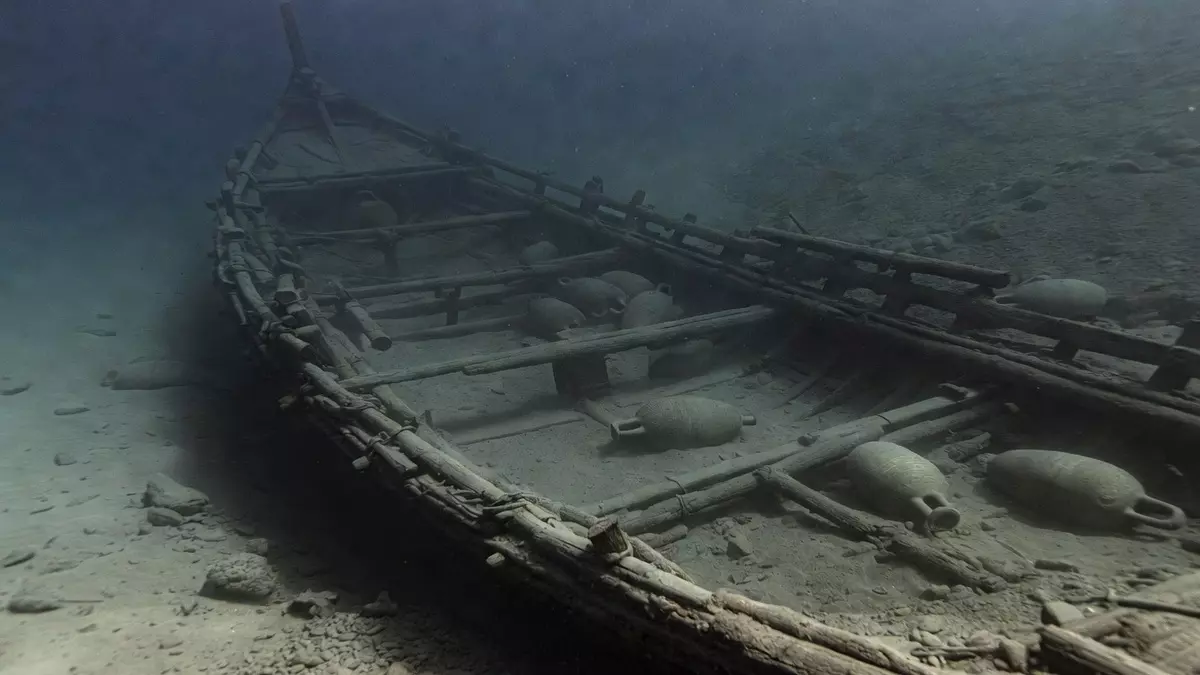
Archaeologists have unlocked fascinating new details about Roman shipbuilding and maintenance from a 2,200-year-old wreck off the coast of Croatia. The Ilovik–Paržine 1 vessel, which sank in the middle of the second century BCE, is shedding light on the sophisticated waterproofing techniques ancient sailors used to protect their ships during long Mediterranean voyages.
This discovery highlights the practical ingenuity of Roman and Greek shipwrights, showing how they combined natural materials to battle seawater, wood-boring organisms, and the wear of constant travel. The findings offer a rare glimpse into everyday maritime life and the extensive trade networks that connected the Adriatic and beyond during the Roman Republic.
Ancient Roman Shipwreck Reveals Secrets of Mediterranean Waterproofing
### The Ilovik–Paržine 1 Wreck and Its Remarkable Preservation
Located near Ilovik Island in the Adriatic Sea, the shipwreck was excavated by an international team of French and Croatian researchers. The vessel carried a cargo of logs and amphoras, and its hull retained enough original coating to allow detailed scientific study. Ten samples from different parts of the ship were analyzed using advanced molecular techniques and pollen examination.
Most of the waterproof layer consisted of pitch derived from heated pine resin. This sticky, tar-like substance formed the primary barrier against water infiltration and marine pests. One sample, however, revealed a more specialized mixture: pine pitch blended with beeswax. Ancient writers, including Pliny the Elder, referred to this combination as *zopissa*. Greek shipbuilders prized it for its flexibility and ease of application when heated, allowing crews to make quick repairs at sea or in port.
**H3: Pollen Clues Reveal Origins and Travel History**
Pollen grains trapped within the pitch provided unexpected insights into where the materials were sourced and applied. The microscopic evidence pointed to a diverse range of Mediterranean landscapes, including shrublands with olive and hazel trees, holly oak and pine forests, and riverside species like alder and ash. Traces of fir and beech suggested contributions from upland areas.
This botanical mix matches environments found along both the Italian and northeastern Adriatic coasts. Earlier studies of the ship’s ballast had already linked its original construction to Brundisium (modern Brindisi) in southern Italy. The new pollen data reinforces this connection while showing that later repairs likely used materials gathered closer to where the ship ultimately sank.

### Evidence of Repeated Repairs and Long-Distance Voyages
Statistical analysis of the coatings revealed four to five distinct batches. The stern and central hull shared similar compositions, while the bow area displayed multiple overlapping layers. This pattern strongly suggests ongoing maintenance throughout the ship’s working life. Sailors in antiquity faced constant challenges from leaking seams, marine growth, and storm damage. Regular re-coating was essential for keeping vessels seaworthy during trade routes that spanned hundreds of miles.
The distribution of materials indicates the ship traveled widely across the Adriatic, stopping at different ports where crews could apply locally available resins and waxes. Such repairs were not just practical—they reflected deep knowledge of regional resources and shiphandling traditions passed down through generations of mariners.
**H3: Why Waterproofing Mattered in the Ancient Mediterranean**
Roman-era ships were the lifeblood of the empire’s economy, carrying grain, wine, olive oil, metals, and luxury goods. A hull failure could mean lost cargo, stranded crews, or even death at sea. Effective waterproofing extended a vessel’s lifespan and reduced costly downtime in shipyards.
Pitch from coniferous trees was abundant in the Mediterranean and well-suited to the purpose. The addition of beeswax in *zopissa* improved performance by making the coating less brittle in varying temperatures and easier to spread during emergency repairs. These techniques built upon earlier Greek and Phoenician practices, showing cultural exchange in maritime technology across the region.
The Ilovik wreck dates to a pivotal time when Rome was expanding its influence across the Adriatic and eastern Mediterranean. Ships like this one helped establish supply lines that supported military campaigns, colonial settlements, and growing commercial networks.
### Scientific Methods Uncover Hidden Details of Ship Maintenance
The research team, whose findings were published in *Frontiers in Materials* in 2026, combined chemical (molecular) analysis with palynology (pollen study). While molecular tests showed broad similarities in the pitch base, pollen grains revealed subtle differences in geographic origins and application timing. This multi-method approach proves especially powerful for studying organic coatings, which are often overlooked in favor of wooden hull remains.
Traditional archaeology focuses on ship structure, cargo, and construction techniques. This study demonstrates that surface treatments can serve as valuable archives of a vessel’s operational history. They record not only materials but also the movements and resource networks of ancient seafarers.
**H3: Connections to Broader Roman Maritime World**
The Adriatic was a busy maritime corridor during the Roman Republic. Ships sailed between Italian ports like Brindisi and destinations along the Dalmatian coast, carrying goods and people that fueled Rome’s growth. The Ilovik–Paržine 1 wreck adds concrete evidence to this picture, showing how vessels were maintained across different regions.
Finds like this are rare because organic coatings degrade quickly in seawater unless preserved under specific conditions. The survival of multiple layers on this wreck provides an exceptional opportunity to study real-world ship maintenance rather than relying solely on ancient texts or iconography.
### What the Discovery Means for Understanding Ancient Technology
This research enriches our knowledge of Roman engineering and adaptability. Shipwrights and crews possessed sophisticated empirical knowledge about natural materials. They selected specific resins based on availability, performance characteristics, and local traditions. The use of *zopissa* demonstrates awareness of advanced formulations that improved durability and workability.
Beyond technology, the coatings reflect economic realities. Gathering pitch and wax required labor, trade connections, and understanding of seasonal harvesting. Repairs at sea or in foreign ports highlight the resourcefulness of sailors who kept ships operational far from home shipyards.
**H3: Environmental Insights from Ancient Materials**
Pollen data offers a bonus: a snapshot of Mediterranean vegetation around 2,200 years ago. The presence of olive, pine, and oak aligns with reconstructed landscapes of the period. Such information helps scientists track long-term environmental changes and human impacts on coastal ecosystems.
The study also underscores the value of international collaboration in underwater archaeology. French and Croatian experts combined expertise in chemistry, botany, and maritime history to interpret this complex site.
### Modern Relevance and Ongoing Maritime Research
Today, as interest in ancient seafaring and sustainable materials grows, discoveries like the Ilovik wreck resonate strongly. Modern ship conservation and historical reenactments benefit from understanding these traditional techniques. Some contemporary boatbuilders even experiment with natural pitches and waxes inspired by ancient methods.
The wreck also contributes to broader discussions about Roman trade and daily life. While emperors and legions often dominate historical narratives, humble merchant ships and their crews formed the backbone of the empire’s prosperity. Each repair layer tells a story of resilience and routine labor that kept Mediterranean commerce flowing.
Future work on the Ilovik–Paržine 1 and similar sites may reveal even more about cargo origins, crew diets, and sailing routes. As underwater excavation techniques improve, more wrecks will likely yield similar organic treasures.
### The Human Story Behind the Shipwreck
Imagine the crew of this vessel: sailors loading amphoras and timber in Italian ports, navigating the Adriatic’s unpredictable waters, and pulling into sheltered coves to reapply hot pitch when leaks appeared. Their ship connected distant communities, carrying goods that shaped economies and cultures. The coatings they applied protected not just wood but livelihoods and ambitions.
This 2,200-year-old wreck humanizes the past. It shows that even in antiquity, maritime success depended on practical knowledge, resourcefulness, and ongoing maintenance. The sailors who used *zopissa* and pine pitch faced the same fundamental challenges—storms, leaks, and decay—that mariners have confronted throughout history.
The Ilovik–Paržine 1 discovery stands as a testament to the enduring importance of ships in human civilization. From the Roman Republic to today, control of the seas has shaped empires, economies, and individual lives. Thanks to careful scientific study, we can now appreciate the hidden layers of effort that kept ancient vessels afloat and trade routes alive.
As researchers continue to analyze samples and publish findings, this Croatian shipwreck will deepen our appreciation for the sophisticated maritime world of the ancient Mediterranean. It reminds us that behind every grand historical event lie countless practical innovations and dedicated workers whose skills made it all possible.
## FAQ: Roman Shipwreck and Ancient Waterproofing Techniques
**Q: What is the Ilovik–Paržine 1 shipwreck?**
A: A second-century BCE Roman vessel discovered off Croatia that sank while carrying logs and amphoras. It provides rare evidence of hull coatings and repairs.
**Q: What materials did Romans use for ship waterproofing?**
A: Primarily pine pitch, sometimes mixed with beeswax to create *zopissa*, a flexible and effective sealant mentioned by ancient authors like Pliny the Elder.
**Q: How do pollen grains help date and trace the ship?**
A: Pollen trapped in the pitch reveals local vegetation where materials were produced or applied, linking the ship to specific Adriatic and Italian coastal regions.
**Q: Why were repeated repairs important for ancient ships?**
A: Constant exposure to seawater and marine organisms required regular maintenance to prevent leaks and extend the vessel’s working life during long trade voyages.
**Q: What does this discovery tell us about Roman trade?**
A: It shows ships moved goods and underwent repairs across the Adriatic, connecting Italian ports like Brindisi with destinations along the Dalmatian coast.
**Q: How does this research advance maritime archaeology?**
A: By combining chemical analysis with pollen studies, scientists can now extract detailed operational histories from organic hull coatings previously overlooked.
**Q: Where can people learn more about this shipwreck?**
A: The full study appears in *Frontiers in Materials*, with additional details available through the French and Croatian research teams involved in the excavation.
This remarkable Roman shipwreck continues to reveal secrets of ancient seafaring life. From sophisticated waterproofing recipes to evidence of cross-Adriatic travel, the Ilovik–Paržine 1 deepens our understanding of how Rome built and maintained its maritime empire through practical innovation and human ingenuity.