
**New Discoveries Reveal Iron Age Decapitation Rituals in Spain**
Archaeologists have uncovered compelling new evidence of ritual head-taking practices during the Iron Age in northeastern Spain, extending our understanding of this tradition beyond coastal areas into inland communities. These findings shed light on the complex social, symbolic, and possibly political roles that displayed human skulls played in ancient Iberian societies between the sixth and second centuries BCE.
This research highlights how different Iberian groups, including the Cessetani and Ilergetes, participated in customs once thought limited to specific coastal peoples. The discoveries at two key settlements provide fresh insights into violence, mobility, and public symbolism in prehistoric Europe.
New Discoveries Reveal Iron Age Decapitation Rituals in Spain
### Uncovering Ritual Evidence at Key Iberian Sites
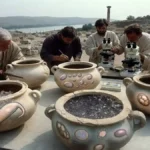
Recent excavations and detailed laboratory analysis at Olèrdola in Barcelona province and El Molí d’Espígol in Lleida province have transformed what we know about head-related rituals in ancient Iberia. These inland locations reveal that the practice of preparing and displaying severed heads was more widespread than previously believed.
**Olèrdola: Gateway to Symbolic Power**
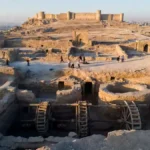
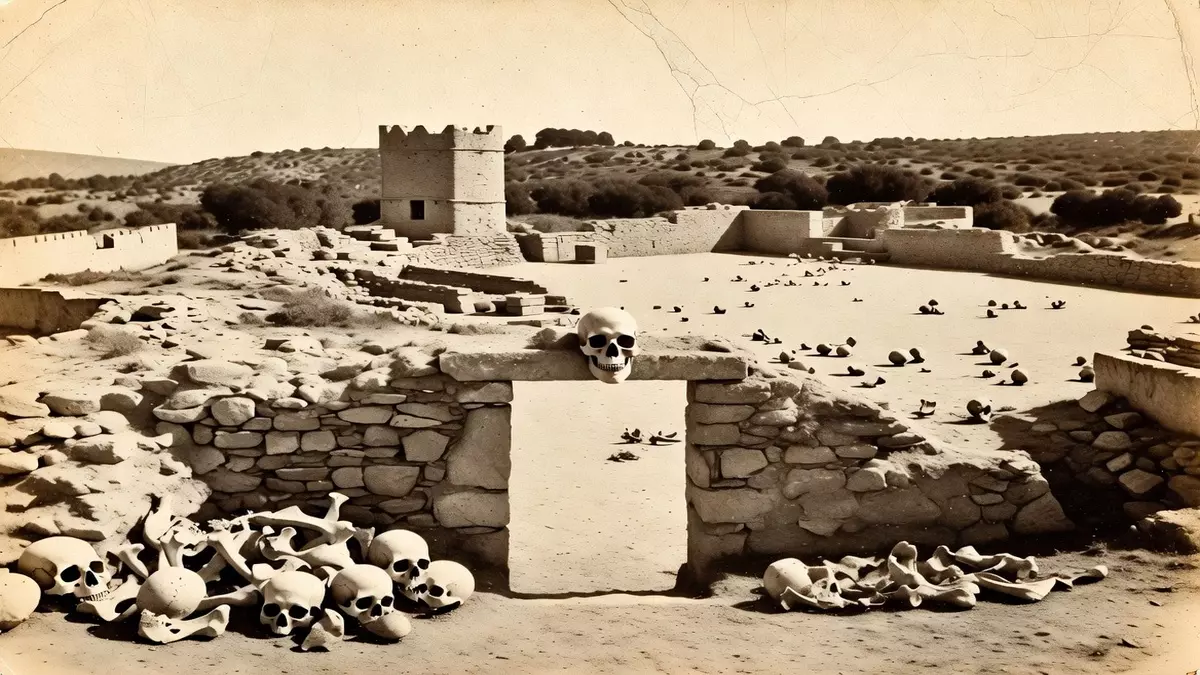
At Olèrdola, researchers recovered five cranial fragments belonging to a single young male aged between eight and fifteen years old. The location of these remains—at the base of a tower near the main entrance—suggests deliberate placement for maximum visibility. Positioning a head at a prominent gateway would have conveyed powerful messages of strength, deterrence, or victory to anyone approaching the settlement.
**El Molí d’Espígol: Central Public Display**
Ten bone fragments from El Molí d’Espígol represent at least three individuals, including another young male. These were found clustered inside a large building adjacent to an open square, an area that appears to have held significant social importance. The architectural context reinforces the idea that these remains were part of public or ceremonial displays rather than hidden or private burials.

Both sites date to a dynamic period in Iberian history when communities built fortified settlements and engaged in complex interactions, including conflict and cultural exchange.
### Detailed Bioanthropological Analysis of the Skulls
Cremation was the dominant burial practice across much of Iron Age Iberia, making well-preserved skull fragments exceptionally valuable for scientific study. Researchers conducted thorough microscopic examinations, revealing cut marks consistent with sharp, straight-edged tools used around the time of death.
On the Olèrdola skull, deeper incisions on the left frontal bone contrast with overlapping angled marks on the right side. This pattern indicates multiple strikes, possibly delivered by more than one individual. While the lower rear portion of the skull did not survive, the overall trauma evidence strongly supports decapitation followed by further handling.
Fine incisions around the forehead and jaw areas match the size and shape of thin metal tools, similar to needles found at other Iberian sites associated with head preparation. These delicate marks point to the careful removal of soft tissues, including facial muscles and skin—a process that prepared the heads for display.
### Chemical and Isotopic Insights into Preparation and Origins
Advanced scientific techniques have added remarkable depth to the story. Chemical analysis of residues on the Olèrdola bones identified plant resins from pine trees, along with various oils and waxes derived from plants or animals. Such materials were likely applied to preserve the heads or enhance their appearance for public exhibition, creating a coated, more durable trophy.
Isotope analysis of strontium in teeth and bone from the Olèrdola individual shows values that do not match the local geology. This suggests the person either spent their childhood in a different region with older rock formations or that the head was transported some distance after death. Similar patterns of mobility have appeared in other Iberian head-related finds, hinting at networks of movement, trade, or conflict that spanned significant territories.
### Connections to Broader European Traditions
The Iberian practices share intriguing parallels with Iron Age customs in France and Britain, where heads were also prepared, displayed, and sometimes deposited in meaningful locations. Across Europe, displaying enemy heads frequently symbolized military success and reinforced the power of victorious leaders or communities.
In Iberia, however, local variations emerged in how groups prepared, exhibited, and eventually discarded these remains. Many skulls eventually ended up on floors, near walls, or in filled storage pits once wooden mounting structures deteriorated over time.
While earlier evidence focused primarily on coastal groups like the Indigetes and Laietani, these new finds push the known distribution inland. They expand participation to the Cessetani and Ilergetes, broadening our map of this cultural phenomenon. Additional discoveries of female skulls at other sites continue to prompt questions about selection criteria—whether tied to warfare, punishment, ritual significance, or other social factors.
### The Significance of These Finds for Iberian Studies
These fragmented remains offer rare biological data in a region where cremation typically left little for analysis. By combining bioanthropology, residue chemistry, and isotope science, researchers have built a much clearer picture of ritual behavior that classical texts only hinted at.
The integration of multiple scientific disciplines demonstrates the sophistication of modern archaeology. Each new case like this helps reconstruct not just individual events but wider patterns of social organization, inter-group relations, and symbolic communication among Iron Age Iberian peoples.
The practice likely served multiple purposes: celebrating victories, intimidating rivals, honoring certain individuals, or fulfilling religious requirements. The careful preparation—removing tissue, applying preservatives—shows these were not mere acts of brutality but culturally meaningful rituals with established procedures.
### How This Changes Our View of Ancient Spain
The discoveries challenge previous assumptions about the geographic and cultural boundaries of head-display traditions in northeastern Iberia. They demonstrate that inland societies actively participated in these practices, suggesting shared cultural elements across diverse Iberian groups despite regional differences.
This research also underscores the mobility of people and ideas during the Iron Age. Whether through personal movement during life or the transport of remains after death, connections between different geological zones point to dynamic societies with extensive networks.
As more sites are studied with advanced methods, archaeologists expect to uncover additional nuances about gender roles, age selection, and the long-term handling of these powerful symbols. The transition from active display to eventual discard reveals the finite nature of such rituals within the broader lifecycle of settlements.
### Conclusion: Deepening Our Understanding of the Past
The identification of decapitation rituals among the Cessetani and Ilergetes marks an important expansion in our knowledge of Iron Age Iberia. These findings from Olèrdola and El Molí d’Espígol illuminate sophisticated practices of head preparation and public display that helped shape social dynamics and power structures in ancient Spain.
By preserving and studying these rare remains, scientists continue to reveal the rich complexity of prehistoric European societies. Each fragment tells a story of conflict, ritual, mobility, and meaning—reminding us that the ancient world was far more interconnected and symbolically rich than traditional narratives suggest.
Future research will likely uncover even more sites and details, further enriching our appreciation of how Iberian communities navigated life, death, and power during a transformative era.
### FAQ: Iron Age Decapitation Rituals in Spain
**What exactly were the “cabezas cortadas” or cut heads in Iberian culture?**
These refer to human skulls that were decapitated, carefully prepared by removing soft tissue, preserved with resins and coatings, and publicly displayed. They appear in multiple Iron Age settlements and likely served symbolic, political, or ritual functions.
**Which groups practiced these rituals according to the latest research?**
While previously associated mainly with coastal Indigetes and Laietani, new evidence confirms participation by inland Cessetani and Ilergetes groups, significantly expanding the known range.
**How do scientists know the heads were prepared for display?**
Microscopic cut marks, residues of pine resins and waxes, strategic find locations near entrances and public squares, and comparisons with other European sites all support ritual preparation and exhibition rather than simple violence.
**Were women and children involved in these practices?**
Yes. While many examples involve males, female skulls have been identified at other sites. The Olèrdola remains belonged to a young male between eight and fifteen years old, showing that age and gender selection varied.
**Why is cremation important to understanding these finds?**
Cremation was the primary burial method, meaning intact skulls are rare. These preserved fragments provide exceptional opportunities for bioanthropological, chemical, and isotopic analysis that would otherwise be unavailable.
**What makes these discoveries significant for broader archaeology?**
They combine multiple scientific approaches to reveal cultural practices, mobility patterns, and social behaviors. The finds help bridge classical written accounts with physical evidence, offering a more complete picture of life in Iron Age northeastern Spain.