
Table of Contents
**Roman Cemetery Excavation Reveals Frontier Life in Northern Britain**
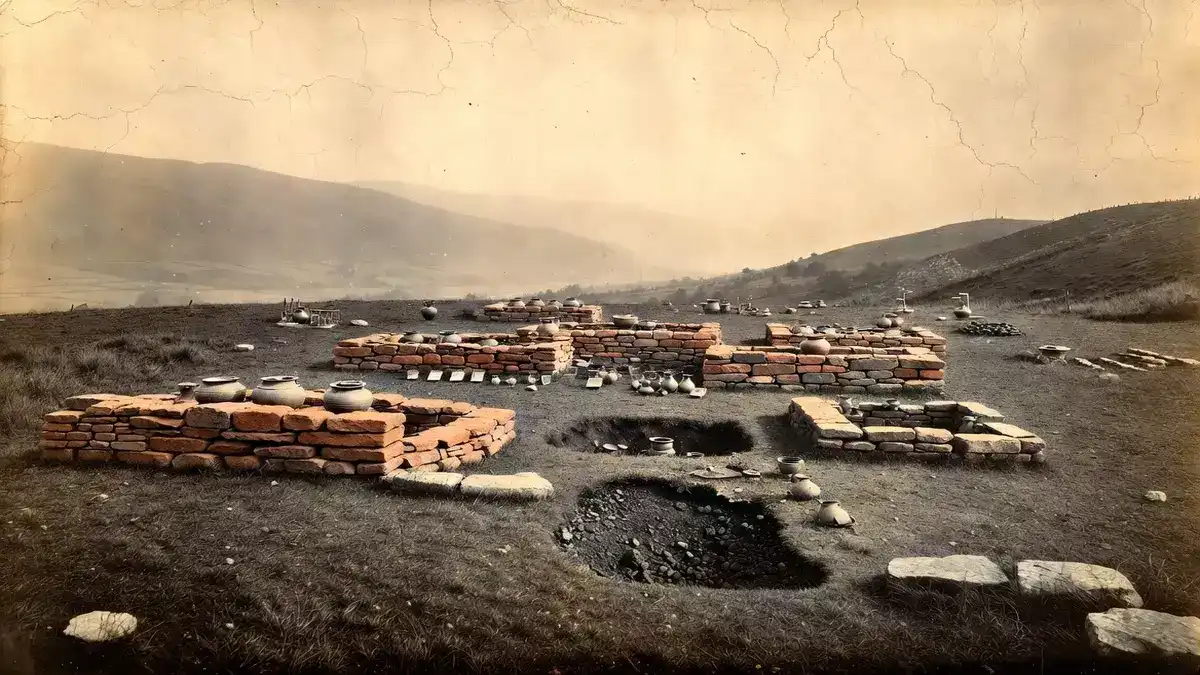
Archaeologists have uncovered hundreds of Roman graves at Brougham in Cumbria, painting a vivid picture of diverse burial practices on the edge of the Roman Empire. This large-scale excavation along the A66 corridor offers rare insights into how soldiers, civilians, and families honored their dead nearly 2,000 years ago in one of Britain’s northernmost frontiers.
The findings highlight social complexity, long-distance trade, and evolving rituals in a multicultural military zone. From simple cremation pits to elaborate urn burials with luxury goods, the Brougham cemetery reflects the rich tapestry of life and death under Roman rule.
Roman Cemetery Excavation Reveals Frontier Life in Northern Britain
### Massive Roman Cemetery Discovered at Brougham
The recent work by Oxford Cotswold Archaeology formed part of the A66 Northern Trans-Pennine Project. While earlier road construction in the 1960s hinted at the cemetery’s existence, this comprehensive investigation revealed its full scale and complexity near the Roman fort and settlement at Brougham.
Hundreds of graves came to light, showcasing both inhumation (body burial) and cremation traditions. The variety in practices suggests a diverse community that included military personnel, local inhabitants, and possibly migrants from across the empire. This frontier location, close to the limits of Roman control, makes the site especially valuable for understanding how Roman customs adapted to northern Britain’s unique environment and cultural mix.
### Variety of Cremation Practices
Cremation dominated many burials, appearing in multiple forms that reflect individual preferences and available resources. Some ashes were placed directly into pits alongside charcoal from funeral pyres, indicating on-site rituals. Others rested inside ceramic urns, wooden containers, or sturdy stone-lined cists constructed from local red sandstone.
Pyre sites and ash pits near graves provided direct evidence of funeral ceremonies performed at the cemetery. These features allow archaeologists to reconstruct sequences of events—from the burning of the body to the final deposition of remains and offerings.
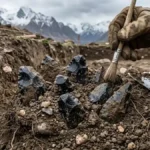
The careful excavation methods preserved fragile details. Teams removed soil in thin layers with hand tools, wet-sieved all material to recover tiny bone fragments and artifacts, and documented every stage with photographs, drawings, and GPS positioning. Many vessels underwent block lifting for controlled laboratory excavation in two-centimeter layers, revealing precise arrangements of bones, metal, glass, and soil.
### Rich Grave Goods and Personal Items
Burial furnishings varied dramatically, offering clues about social status, identity, and beliefs. Some graves contained minimal deposits, while others included pottery, glass vessels, bronze objects, jewelry, and occasional military equipment or weapons.
Notable finds include complete glass cups, decorated pottery, and high-quality samian ware bearing maker’s stamps—luxury items imported from Gaul. Carved animal bone inlays, likely once attached to wooden boxes or biers, appeared in several graves, suggesting personalized containers for the deceased. A black burnished jar from Dorset highlights extensive trade networks that supplied goods even to remote northern outposts.
Burnt fragments of metal and glass indicate that personal possessions were often placed on pyres with the body. Some vessels lacked human bone entirely, possibly serving symbolic roles for food offerings or other perishable items meant to sustain the deceased in the afterlife.
### Insights from Osteoarchaeological Analysis
Specialists analyzed remains to determine age, biological sex, and evidence of disease or injury, even when preservation was poor. This biological data, combined with grave goods, helps reconstruct individual life stories within the broader frontier community.
The mix of military and civilian elements suggests the cemetery served both the fort’s soldiers and surrounding civilian population. Such integration reflects the social dynamics of Roman Britain, where forts often attracted traders, families, and local allies.
### Historical Context of Roman Britain’s Northern Frontier
Brougham lay near the northern limits of Roman control in Britain, a region shaped by military presence, Hadrian’s Wall to the north, and interactions with local tribes. The cemetery dates to the Roman occupation period, when the empire maintained these outposts to secure borders, facilitate trade, and promote Romanization.
Burial practices evolved over time, blending traditional Roman customs with regional adaptations. The presence of both cremation and inhumation mirrors broader trends across the empire, while local materials like red sandstone show practical use of available resources.
Long-distance connections stand out. Goods from Dorset and Gaul reached this remote area, underscoring efficient supply chains and economic ties that supported frontier life. Military equipment in some graves points to the burial of soldiers who served in auxiliary units or legions stationed in the north.
### Advanced Excavation Techniques Preserve the Past
The project exemplifies modern standards in developer-funded archaeology. Rigorous methods ensured maximum data recovery while respecting the sensitive nature of human remains. Wet sieving and controlled laboratory excavation of block-lifted vessels set a high bar for future work on cremation cemeteries.
This meticulous approach yielded far more information than earlier, smaller investigations. It demonstrates how infrastructure projects can contribute positively to heritage knowledge when paired with professional archaeological oversight.
### Social and Cultural Significance
The Brougham cemetery illustrates social variation along Rome’s northern frontier. Differences in grave goods and burial styles likely reflect distinctions in wealth, status, occupation, and cultural background. Families and communities made deliberate choices about how to commemorate loved ones, blending Roman ideals with practical realities.
Pipeclay figurines, such as one depicting a male youth in tunic, cloak, and Phrygian cap, add personal and religious dimensions. These small devotional objects offer glimpses into beliefs and identities in a multicultural setting.
Overall, the site provides a detailed record of funerary traditions that connected military and civilian spheres. It enriches our understanding of daily life, ritual, and community resilience in a challenging borderland environment.
### Broader Implications for Roman Britain Studies
Discoveries at Brougham complement other frontier cemeteries and forts, contributing to a more nuanced view of Roman Britain. They challenge simplistic narratives of uniform Romanization, instead revealing regional diversity and cultural blending.
The evidence of organized trade, craft production, and varied burial rites underscores the complexity of frontier societies. These communities were not isolated outposts but active participants in empire-wide networks.
As climate, development, and time threaten archaeological sites, projects like this preserve irreplaceable information. They also engage the public with tangible links to the past, fostering appreciation for Britain’s Roman heritage.
### Environmental and Landscape Context
The cemetery’s location near the Roman fort and settlement placed it within a lived landscape. Proximity to roads and waterways facilitated movement of people and goods, while the natural setting influenced burial choices—local stone for cists, for example.
Analysis of soils, charcoal, and associated plant remains will provide further details about the ancient environment and funeral customs. Future studies may reveal dietary information, mobility patterns through isotopes, and more about health in the Roman north.
### Why This Excavation Matters Today
For historians, the Brougham finds add robust data to debates about Roman frontiers, identity, and cultural change. For the public, they humanize the past—revealing ordinary people who lived, worked, and mourned in ways that resonate across centuries.
The project also highlights successful collaboration between archaeologists, developers, and heritage authorities. Such partnerships ensure that modern infrastructure respects and reveals Britain’s deep history.
### Conclusion: Illuminating Life and Death on Rome’s Northern Edge
The large Roman cemetery at Brougham stands as a testament to the diversity and richness of burial practices along Britain’s northern frontier. Hundreds of graves, with their mix of cremations, urns, stone cists, and personal offerings, reveal a community navigating Roman traditions in a dynamic borderland setting.
From luxury imports and military items to symbolic vessels and careful rituals, the evidence brings frontier life into sharper focus. This excavation not only expands our knowledge of Roman Britain but also honors the individuals whose final resting places tell stories of resilience, connection, and belief.
As specialists continue analyzing the collection, Brougham will yield even more insights into one of history’s most influential empires. The graves remind us that beneath the surface of modern landscapes lie profound human stories waiting to be rediscovered.
### FAQ: Roman Cemetery at Brougham and Northern Frontier Burials
**What makes the Brougham cemetery significant?**
It is one of the largest and most varied Roman cemeteries excavated in northern Britain, revealing diverse cremation and inhumation practices near a frontier fort.
**What types of burials were found?**
Hundreds of graves included direct cremation pits, ceramic urns, wooden containers, and stone cists, with many containing grave goods like pottery, glass, and jewelry.
**Were there luxury or imported items?**
Yes. Finds include samian ware from Gaul, a jar from Dorset, glass vessels, and bronze objects, highlighting long-distance trade networks.
**Did the cemetery serve both military and civilian populations?**
Evidence suggests it did, with military equipment alongside civilian-style burials indicating a mixed community around the Brougham fort.
**How were fragile remains carefully excavated?**
Teams used hand tools, wet sieving, block lifting, and controlled laboratory excavation in thin layers to maximize information from cremated bone and artifacts.
**What do the burials reveal about Roman frontier life?**
They show social variation, ritual complexity, trade connections, and cultural blending in a multicultural military zone during the Roman occupation of Britain.