
**Copper Age Children in Spain Faced Widespread Respiratory Disease**
Nearly 5,000 years ago, children living in southeastern Spain endured high levels of respiratory illnesses that left lasting marks on their developing bones. A new paleopathological study from the massive Copper Age burial site of Camino del Molino reveals just how common these health challenges were in one of Europe’s earliest complex societies.
This discovery offers a rare window into the daily realities of prehistoric childhood. Rather than isolated cases, the evidence points to widespread environmental and lifestyle factors that affected an entire generation of young people during the Chalcolithic period.
Copper Age Children in Spain Faced Widespread Respiratory Disease
### Understanding the Copper Age in Iberia
The Copper Age, or Chalcolithic, marked a transformative time in prehistoric Europe around the 3rd millennium BCE. Communities in Iberia began experimenting with metalworking, producing copper tools and ornaments while still relying heavily on stone. This era saw the rise of larger settlements, increased trade networks, and more elaborate burial practices that reflected growing social complexity.
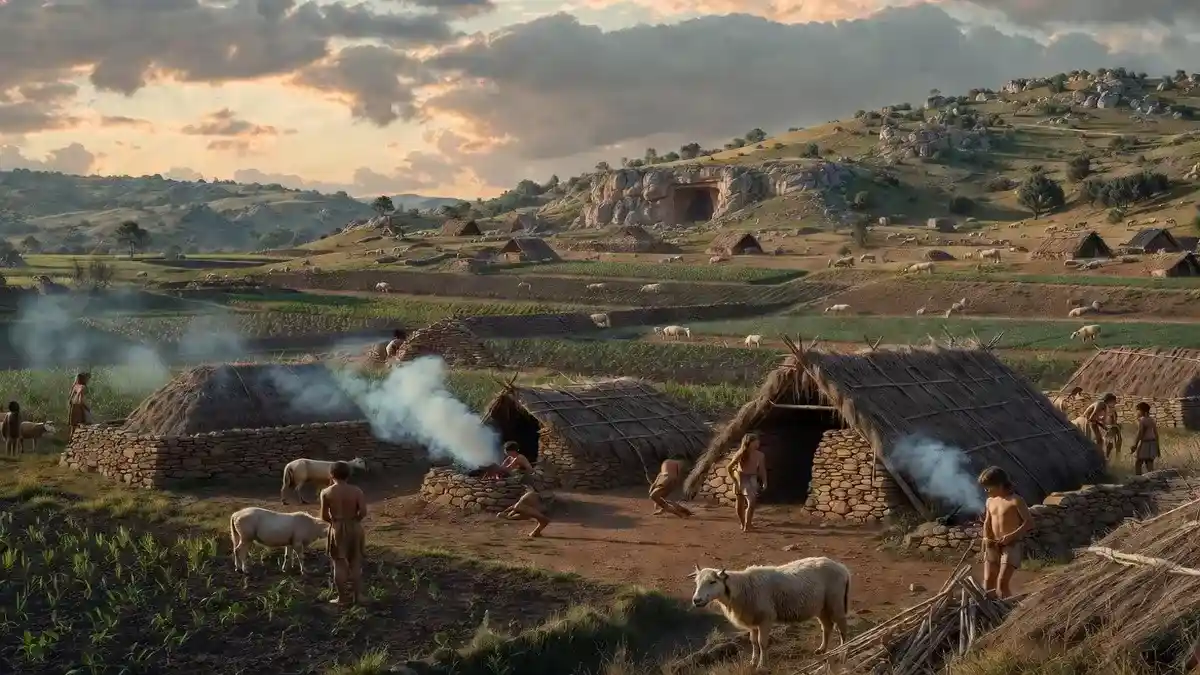
In southeastern Spain, groups practiced mixed farming and herding. They cultivated cereals, legumes, and raised livestock such as sheep, goats, and cattle. Homes were often simple structures with hearths for cooking and heating, but poor ventilation likely created smoky interiors. These conditions, combined with close living quarters and interactions with animals, created perfect environments for respiratory pathogens to spread.
Camino del Molino stands out as one of the largest known collective burial sites from this period. Used for over 700 years, the natural cave accumulated the remains of more than 1,300 individuals. This long-term use provides archaeologists with an exceptional sample spanning multiple generations, allowing researchers to study population-level health patterns instead of single graves.
### Shocking Health Findings from Child Skeletons
Among the thousands of bones recovered, scientists identified 48 well-preserved skeletons of children and adolescents. This is a remarkable number for a communal burial, where remains often become fragmented and commingled over millennia.

The results are striking: 91.7 percent of these young individuals—44 out of 48—showed at least one skeletal sign of poor health. Porous lesions, which indicate periods of physiological stress, appeared in nearly 90 percent of the sample. Even more telling, 68.8 percent (33 individuals) displayed bone changes specifically linked to respiratory infections.
The overlap was significant. Two-thirds of the children exhibited both porous lesions and respiratory-related alterations. Statistical analysis revealed that kids with porous lesions were more than 11 times more likely to also show signs of respiratory disease. This strong association suggests that general health vulnerabilities made children more susceptible to serious lung infections.
Researchers noted several types of telltale bone changes. These included:
– Porous areas on the skull (cribra orbitalia) and long bones
– Pitting and grooves on the inner surface of the skull
– New bone growth along the spine, pelvis, and hip areas
Such lesions often result from chronic inflammation or infections that spread through the bloodstream. While not definitive proof of any single disease, the patterns strongly resemble those seen in respiratory infections, including possible early tuberculosis or other bacterial and viral illnesses common in crowded, pre-modern settings.
### Age Patterns and Vulnerability in Prehistoric Life
Health impacts varied by age. The highest rates of skeletal stress markers appeared in two key groups: toddlers and young children between 1 and 4 years old, and adolescents aged 10 to 14. These periods align with known biological vulnerabilities. Young children experience weaning and increased mobility, exposing them to new pathogens, while adolescents undergo rapid growth spurts that can strain the immune system.
Importantly, there were no significant differences between boys and girls. Both sexes experienced similar rates of disease indicators, pointing to shared environmental risks rather than sex-based disparities in care or exposure.
Daily life in Copper Age villages likely contributed heavily to these issues. Indoor cooking fires produced smoke filled with particulates that irritated lungs. Dust from grinding grains, animal dander, waste, and close proximity to livestock added to the burden. Malnutrition or periodic food shortages could have weakened immune responses, creating a cycle of illness.
### Burial Practices Reveal Community Values
One of the most humanizing aspects of the Camino del Molino findings is the lack of differential treatment. Children with clear signs of chronic illness were buried in the same collective space as healthier individuals. This suggests a community that valued its young members equally in death, regardless of their physical condition during life.
Earlier studies at the site have uncovered evidence of trepanation—skilled skull surgeries on adults—and other healed injuries, indicating that prehistoric people provided care for the sick and injured. The consistent burial rites reinforce ideas of social cohesion and shared identity during the Copper Age.
### Why This Study Matters for Understanding Prehistoric Health
Most paleopathology research relies on small samples or adult remains, making it difficult to understand childhood experiences. The large number of intact non-adult skeletons at Camino del Molino changes that. It allows scientists to examine broad trends in disease prevalence, recovery, and mortality across a prehistoric population.
The findings highlight how environmental factors shaped health long before modern medicine. Respiratory diseases were not rare events but a common reality that influenced childhood survival rates and, by extension, community demographics.
This research also contributes to larger discussions about the health costs of early agriculture and sedentism. As societies transitioned from mobile hunter-gatherer lifestyles to more permanent villages, new disease challenges emerged. The Copper Age in Iberia represents an important phase in that long transition.
### Future Research Directions
Scientists are only beginning to unlock the full story. Ongoing and planned studies include ancient DNA analysis to identify specific pathogens, such as Mycobacterium tuberculosis. Isotope studies on diet and mobility could reveal whether certain families or individuals faced greater risks due to nutrition or location.
Biomolecular techniques may also clarify the role of weaning practices, breastfeeding duration, and food diversity in childhood health. By combining skeletal evidence with genetic and chemical data, researchers hope to build a more complete picture of life and death in these ancient communities.
### The Lasting Legacy of Prehistoric Childhood Illness
The children of Camino del Molino lived nearly five thousand years ago, yet their bones tell stories that resonate today. They remind us that human vulnerability to respiratory infections has deep roots. Understanding how our ancestors coped with these challenges provides perspective on modern public health issues, from air quality to infectious disease control.
This study enriches our knowledge of the Copper Age in Spain and underscores the resilience of prehistoric communities. Despite frequent illness, these societies thrived, developed metallurgy, built monumental structures, and maintained complex social networks.
The traces left in young bones serve as a powerful testament to the universal experiences of childhood across time—vulnerability mixed with the enduring strength of family and community support.
**Conclusion**
Evidence from Camino del Molino paints a vivid picture of the health challenges faced by Copper Age children in Spain. Widespread respiratory disease, driven by environmental factors and daily life, affected the vast majority of young individuals. Yet the communal burial practices suggest a society that cared for its vulnerable members and maintained social bonds even in the face of hardship.
As researchers continue to study these remains with cutting-edge methods, we gain deeper appreciation for the lives of Europe’s early farmers and herders. Their experiences highlight both the difficulties and the remarkable adaptability of human societies throughout history.
**FAQ**
**1. What was the Copper Age in Spain?**
The Copper Age, also called the Chalcolithic, was a period around 5,000 years ago when people in Iberia began using copper tools alongside stone. It featured early farming communities, growing settlements, and collective burial traditions.
**2. How common were respiratory illnesses in prehistoric children?**
At Camino del Molino, nearly 69% of examined child and adolescent skeletons showed signs of respiratory-related bone changes, indicating these infections were very common in that population.
**3. What caused the high rates of disease?**
Likely factors include smoke from indoor fires, dust, close contact with animals, and crowded living conditions. These environmental exposures increased risks for lung infections and general health stress.
**4. Did boys and girls experience different health outcomes?**
No significant differences were found between sexes. Both males and females showed similar rates of skeletal lesions, suggesting community-wide environmental risks affected all children.
**5. Why is Camino del Molino important for archaeology?**
It is one of Europe’s largest Copper Age burial sites with over 1,300 individuals, including many well-preserved child skeletons. This allows rare population-level insights into ancient childhood health and society.
**6. Could these children have had tuberculosis?**
Some bone changes resemble those caused by tuberculosis or similar systemic infections. Future ancient DNA studies may confirm specific pathogens responsible for the observed lesions.
**7. What can we learn from these ancient health patterns today?**
The study highlights how living conditions influence disease spread. It provides historical context for understanding respiratory health and the importance of clean air, sanitation, and nutrition in preventing childhood illness.