
Table of Contents
Middle Stone Age people living at Border Cave in southern Africa built and maintained plant-based bedding for more than 150,000 years, according to a new microscopic study of the site’s sediments. The research offers one of the clearest views yet of how early humans organized domestic spaces between 200,000 and 43,000 years ago.
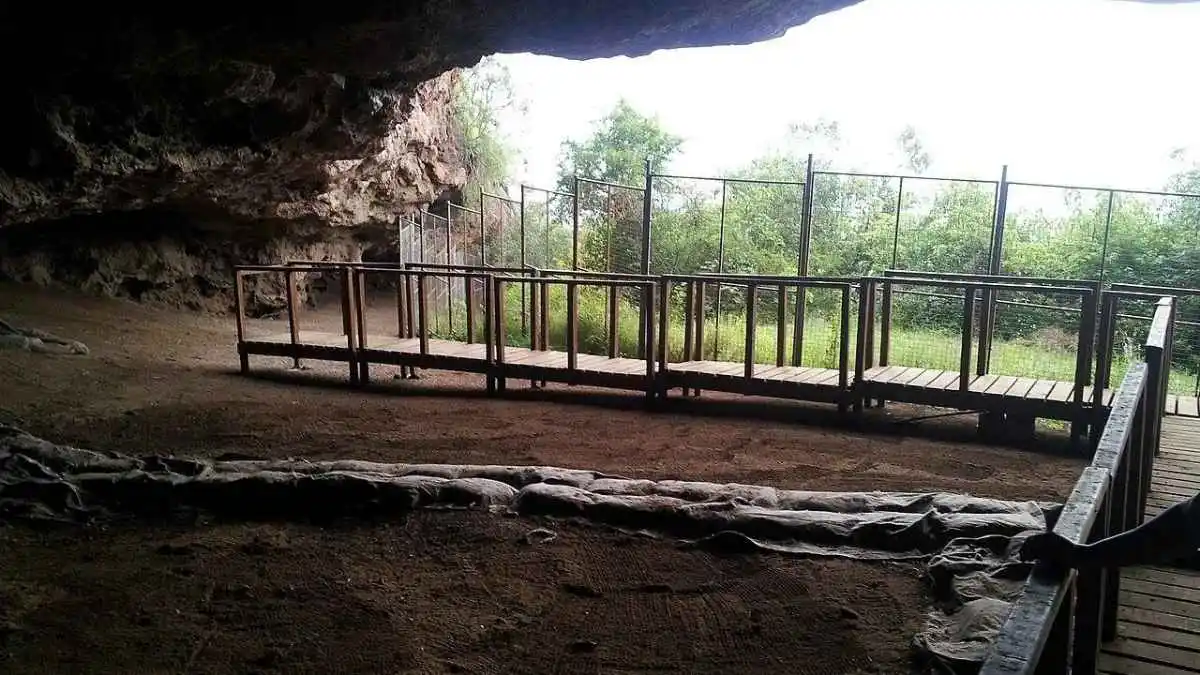
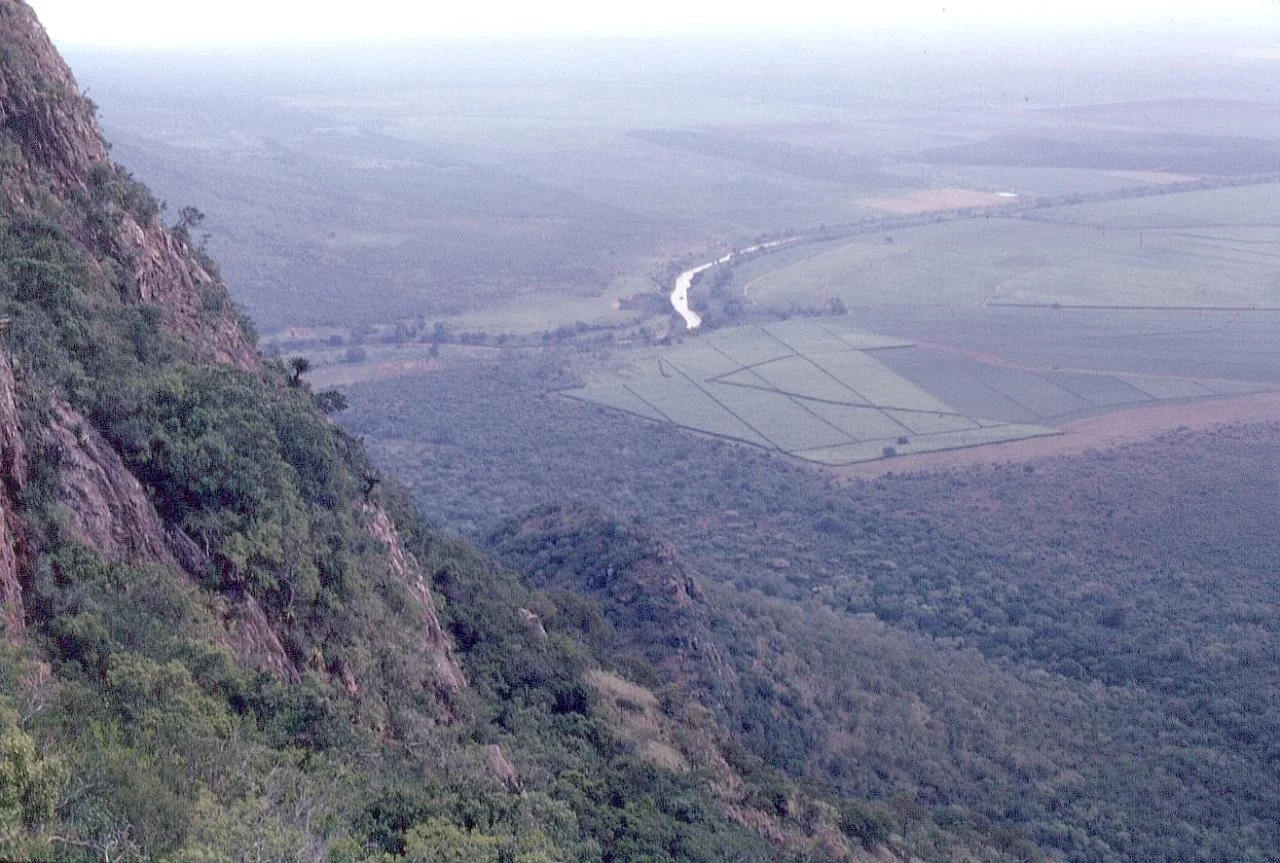
Border Cave sits high in the Lebombo Mountains along the border of present-day South Africa and Eswatini. Archaeologists have excavated the rock shelter since the 1930s, though recent work has revealed unusual preservation of organic materials, including ancient grass bedding. Researchers from the University of the Witwatersrand examined the deposits at a microscopic level and identified six different bedding microfacies, or microscopic sediment patterns linked to different types of bed construction and maintenance.
Only a few African Stone Age sites have produced bedding remains studied in such detail. Earlier microscopic work at Sibhudu Cave and Diepkloof Rock Shelter provided much of the current understanding of ancient bedding practices. The new study greatly expands the sample from Border Cave and shows a wider range of preserved bedding structures than previously known.
Some of the newly identified microfacies closely resemble bedding types from the other South African sites. Others appear unique to Border Cave. The differences include variations in ash content, the arrangement of plant remains, and signs of trampling or burning. Researchers suggest these patterns reflect differences in how people maintained their living spaces or the types of plants selected for bedding.

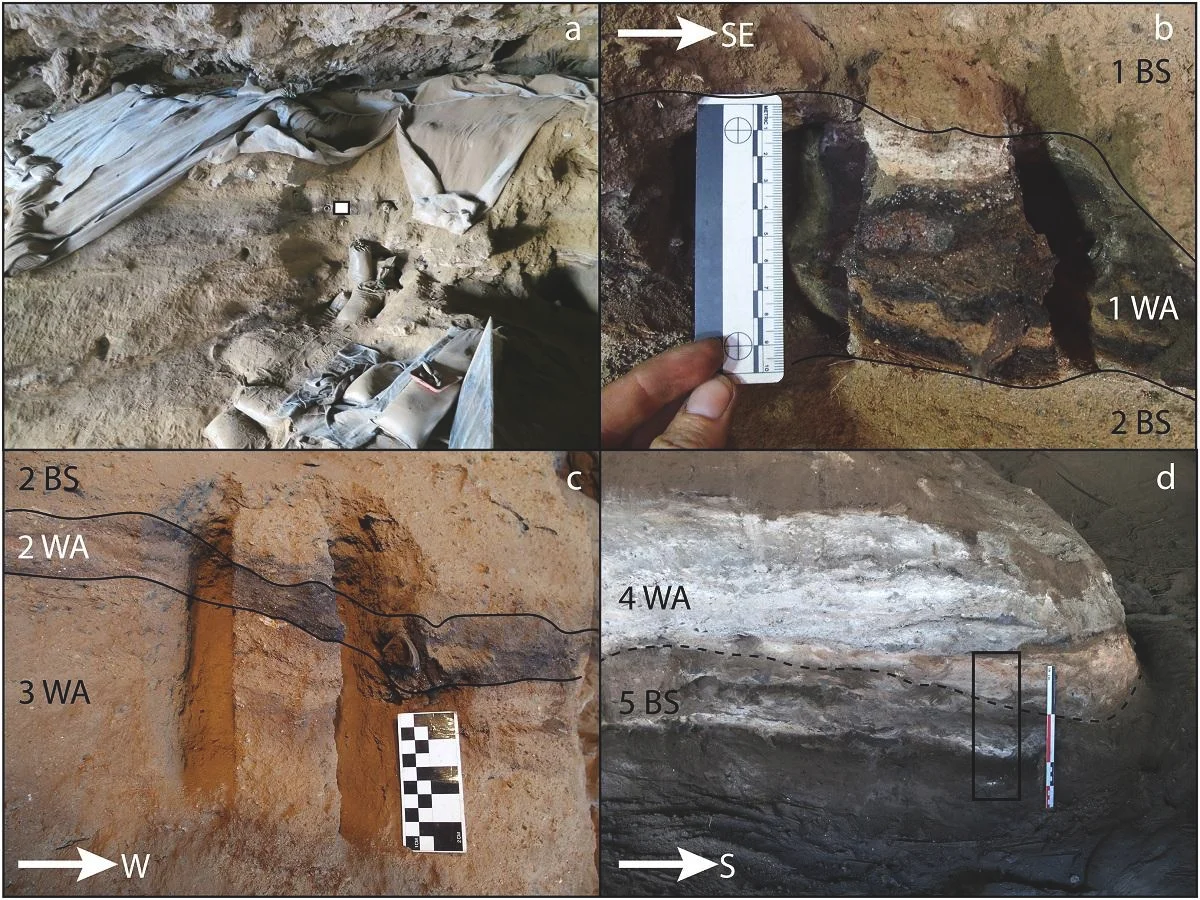
The study found repeated evidence that people often built beds on layers of ash. In many cases, bedding materials rested directly above ash deposits or mixed with ash-rich sediments. Researchers believe ash may have helped keep sleeping areas dry and warm while also discouraging insects. Earlier studies at Border Cave proposed a similar function.
The evidence does not always show whether people intentionally spread fresh ash before laying down bedding or reused ash already present on the cave floor. Some ash deposits appear thick and concentrated, while others form thinner scattered layers. Still, the repeated association between ash and bedding suggests this practice formed a regular part of cave life for thousands of years.
Microscopic analysis also revealed signs of repeated maintenance. Some bedding layers had been refreshed with new plant material, trampled by human activity, and partially burned several times. One especially well-preserved “grass mat” from younger deposits contained several overlapping layers of dried and charred plant remains. Researchers describe this as the first detailed microscopic study of such a preserved Stone Age grass mat.
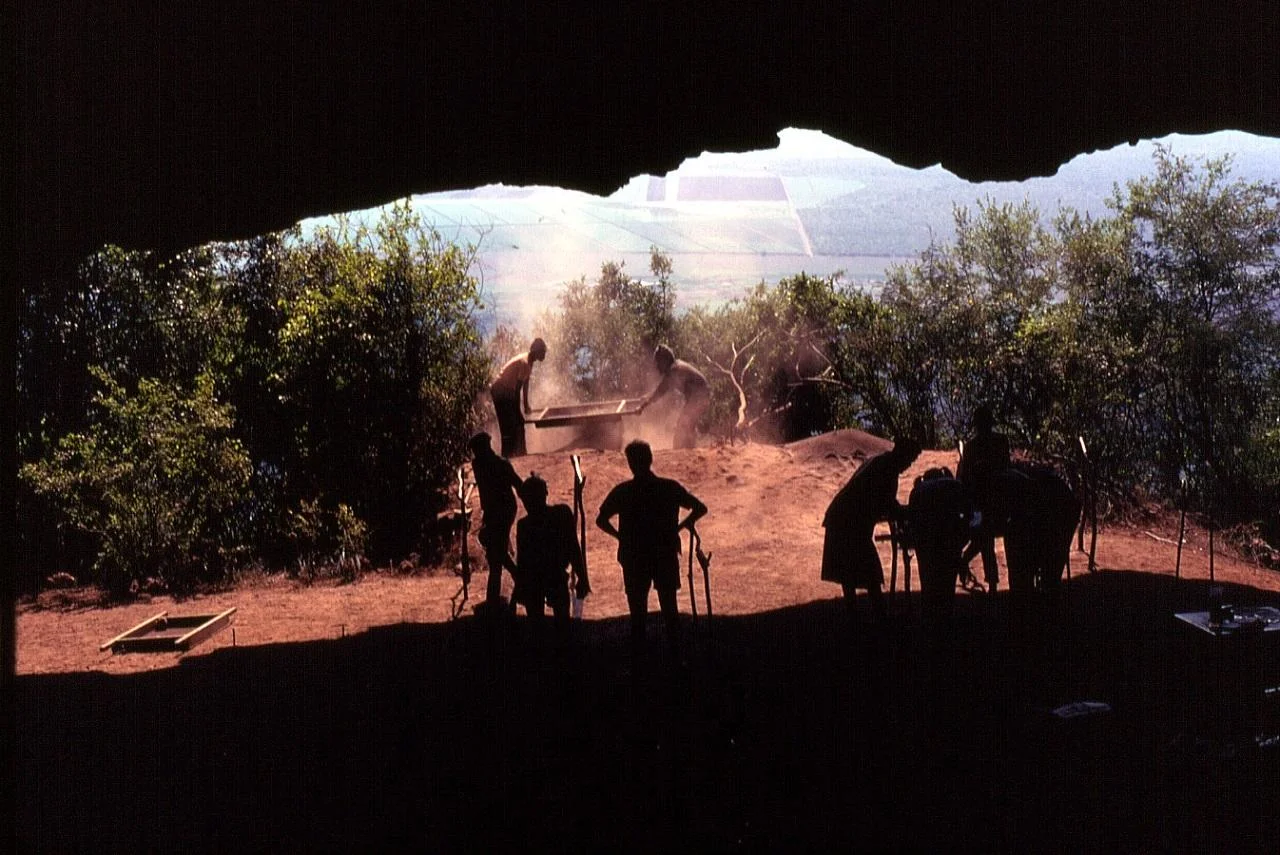
The oldest layers at Border Cave often contained heavily charred bedding and phytolith-rich sediments. Phytoliths are tiny silica structures produced by plants and preserved after decay or burning. These dense accumulations suggest repeated occupation and intense use of living areas.
Younger deposits dating between roughly 60,000 and 43,000 years ago showed a different pattern. Beds from these layers were less fragmented and displayed fewer signs of complete burning or heavy trampling. Researchers interpret this as evidence for shorter occupations or smaller groups using the cave.
One of the study’s more surprising findings concerns the cave’s “brown sand” layers. Archaeologists traditionally viewed these deposits as periods of low occupation compared with nearby white ash layers rich in artifacts and burned material. Microscopic evidence from the bedding tells a more complicated story. Some brown sand deposits contain signs of intense activity, including repeated bedding renewal and heavy disturbance.
 Mamluk Infrastructure Uncovered: Medieval Water System and Mosque Discovered Near Cairo’s Citadel
Researchers suggest two possible explanations. Brief periods of concentrated occupation may have occurred during otherwise quiet phases at the cave. Another possibility is that slower sediment accumulation left older bedding exposed longer, allowing later visitors to disturb and mix the deposits over time.
Comparisons with Sibhudu and Diepkloof also revealed differences in plant selection. At Sibhudu, bedding mainly used sedges and reeds. Border Cave beds appear dominated by grasses from the Panicoideae subfamily. The variation likely reflects local vegetation or cultural preferences.
The research adds to growing evidence that Middle Stone Age humans regularly maintained living spaces and managed domestic environments long before the appearance of agriculture or permanent settlements. Behaviors such as renewing bedding, controlling fire residues, and organizing sleeping surfaces point to increasingly structured use of space during this period of human evolution.