
Virtual Tour of Tikal Mayan Ruins

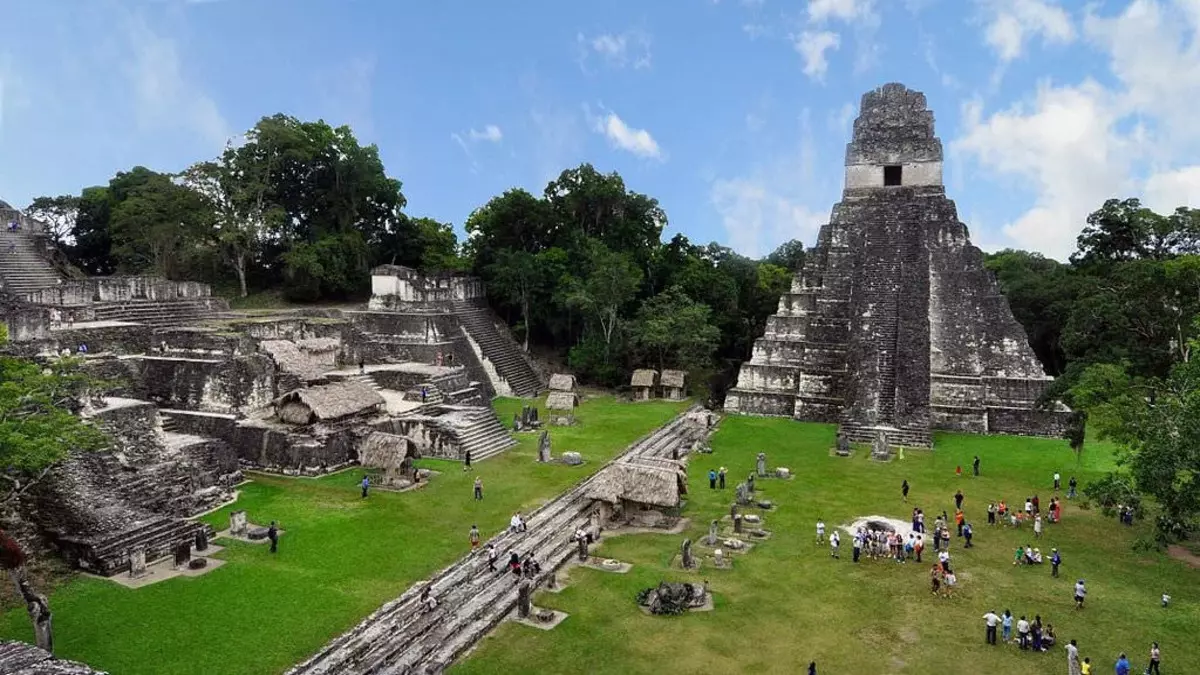
Tikal is an ancient Mayan city located in the dense jungles of northern Guatemala. It was one of the largest and most important Mayan urban centers, serving as a political, economic, and cultural hub during the height of Mayan civilization. Maya ruins of Tikal in Guatemala. Credit: chensiyuan via Wikipedia The history of Tikal dates … Read more

A Guide to Hillforts of Britain, An Aerial View

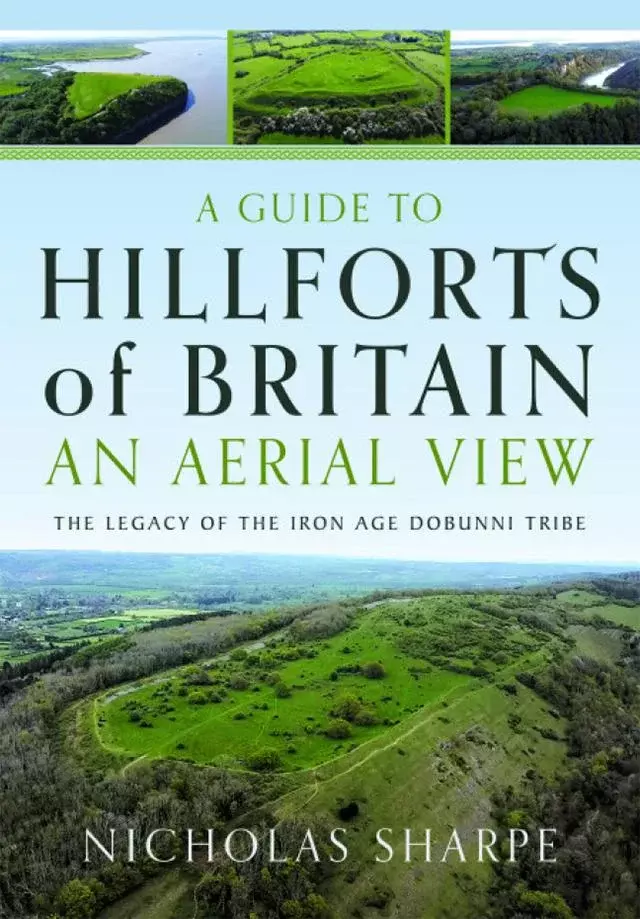
A Guide to Hillforts of Britain, An Aerial View by Nicholas Sharpe is a new study that explores the history and significance of hillforts in Britain, with a particular focus on the Iron Age Dobunni tribe. Featuring over 150 stunning color aerial photographs, the book offers a unique and visually engaging perspective on these ancient … Read more

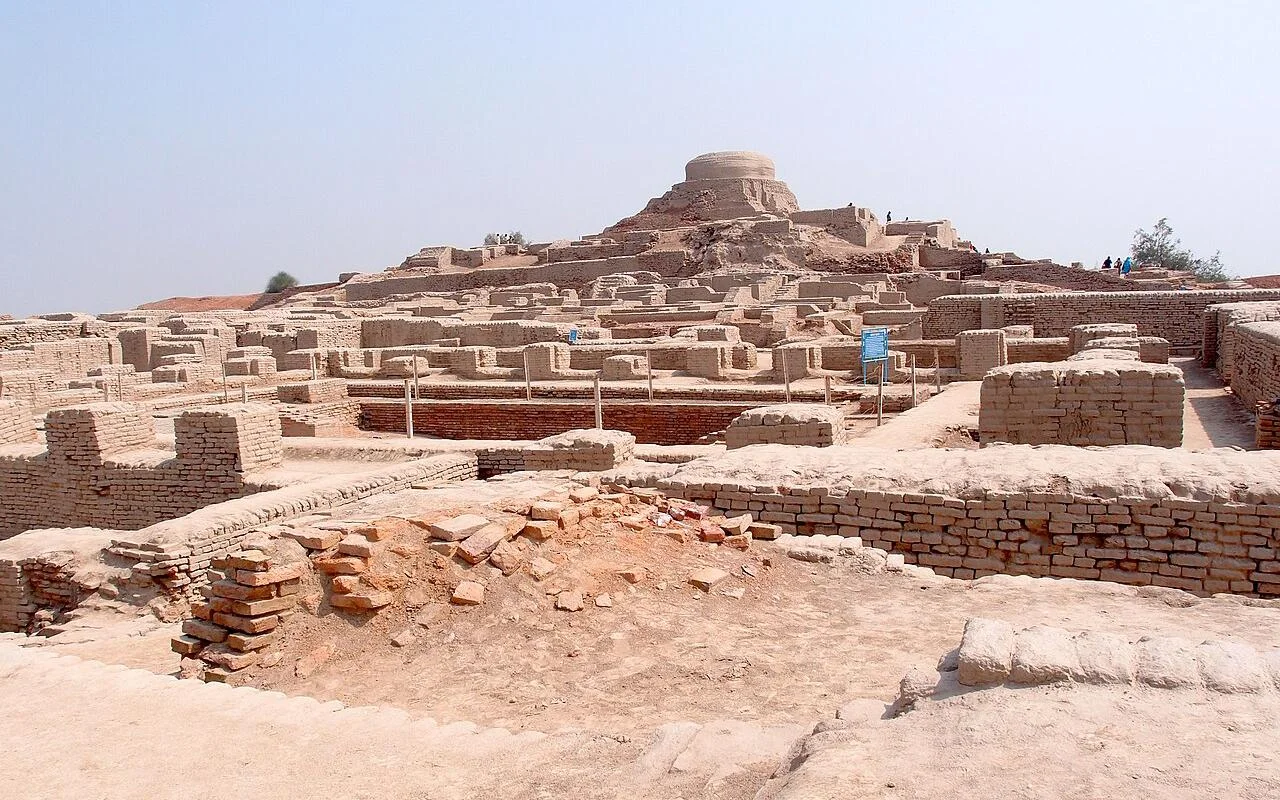
4,000-year-old Mohenjo-daro study finds ancient city grew more equal over time

For decades, archaeologists argued that cities grew alongside inequality. As settlements expanded, wealth often moved toward rulers, priests, and elite families. A new study on Mohenjo-daro presents a different story. View of the Mohenjo-daro archaeological site. Credit: Saqib Qayyum, CC BY-SA 3.0 Researchers from the University of York examined housing patterns in Mohenjo-daro, one of … Read more

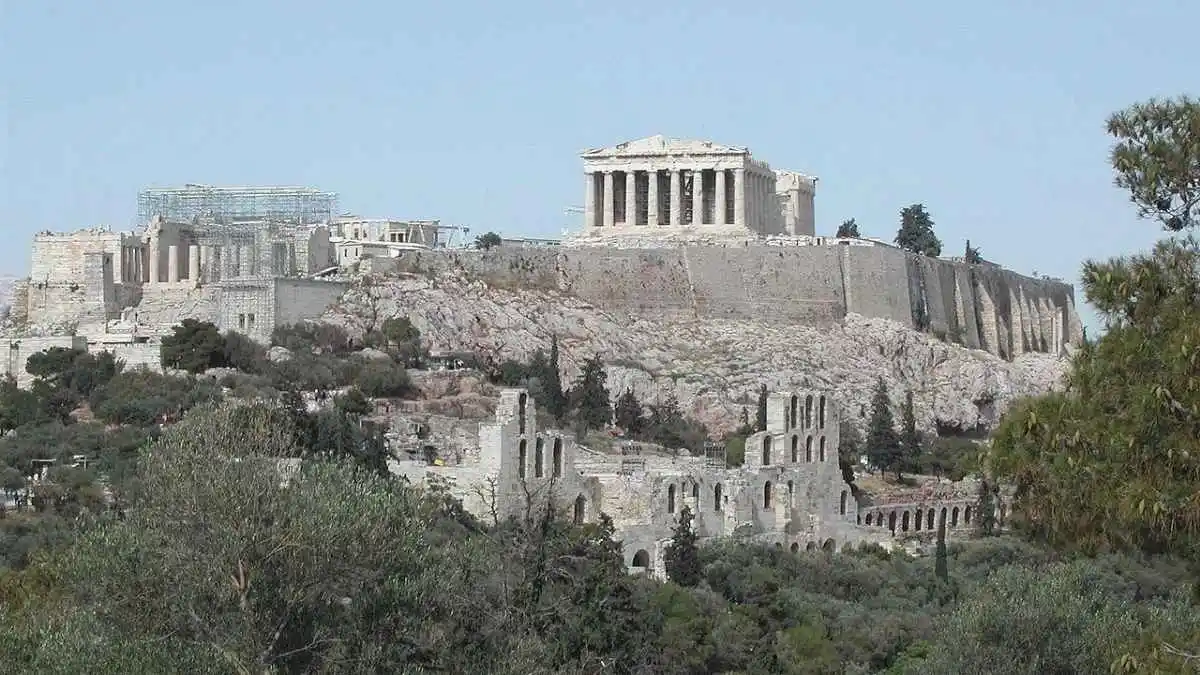
Virtual Tour of the Acropolis in Athens

The Acropolis of Athens is located in the city of Athens, Greece. It sits on a rocky hilltop known as the Acropolis, which is situated in the center of Athens. The exact address is Dionysiou Areopagitou Street, Athens 105 58, Greece. The Acropolis is a significant historical and archaeological site and is home to several ancient Greek … Read more

Inside scoop: the 2,500-year history of ice-cream

A yakhchal still standing in the Iranian desert. Credit: Jeanne Menj/Wikimedia Commons, CC BY 2.0 Early frozen desserts Stored ice was used to make frozen desserts such as fruit sorbets, sharbats, and faloudeh (frozen rosewater and vermicelli noodles) sweetened with honey syrup. After the Arab conquest of Persia circa 650 CE, the Persian method for ice production and … Read more

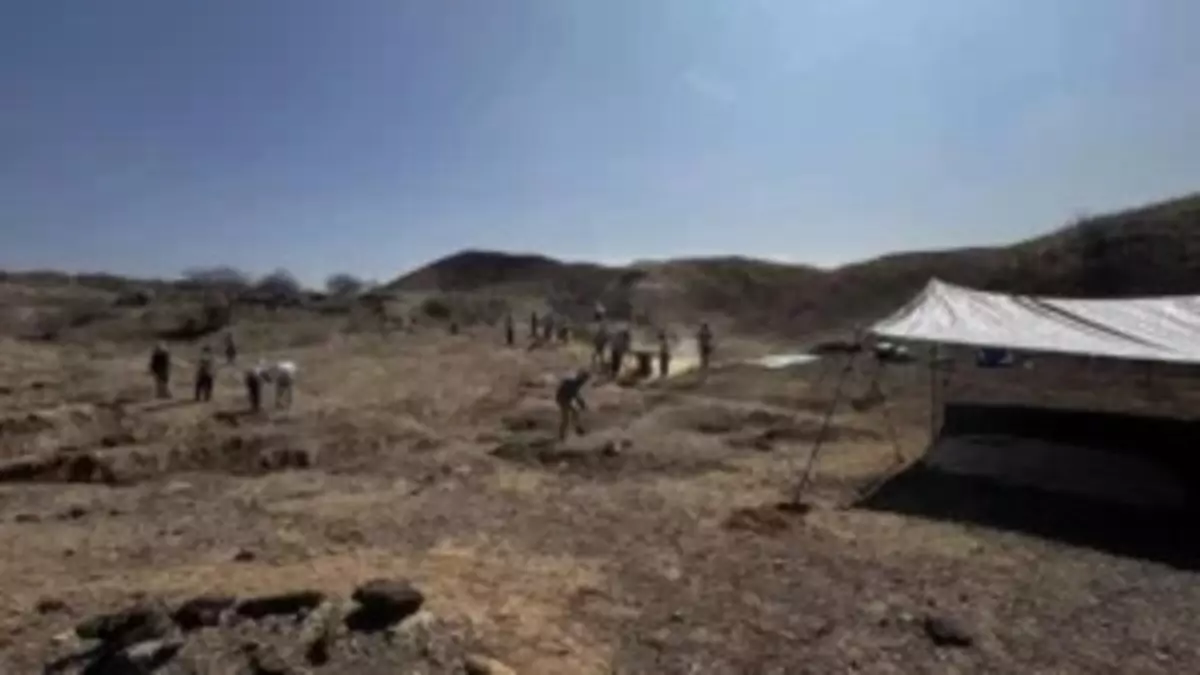
100,000-year-old Homo sapiens bones from Ethiopia may preserve earliest evidence of human cremation

Researchers studying Ethiopia’s Afar Rift have reported what could be the oldest known evidence of human cremation. The finding comes from sediments about 100,000 years old in the Middle Awash region, an area with one of Africa’s richest records of early Homo sapiens life. Surveying, sieving, and fossil recovery at the research site. Credit: Ferhat … Read more

‘Patchwork families’ lived in Europe over 5,000 years ago, Neolithic DNA study finds

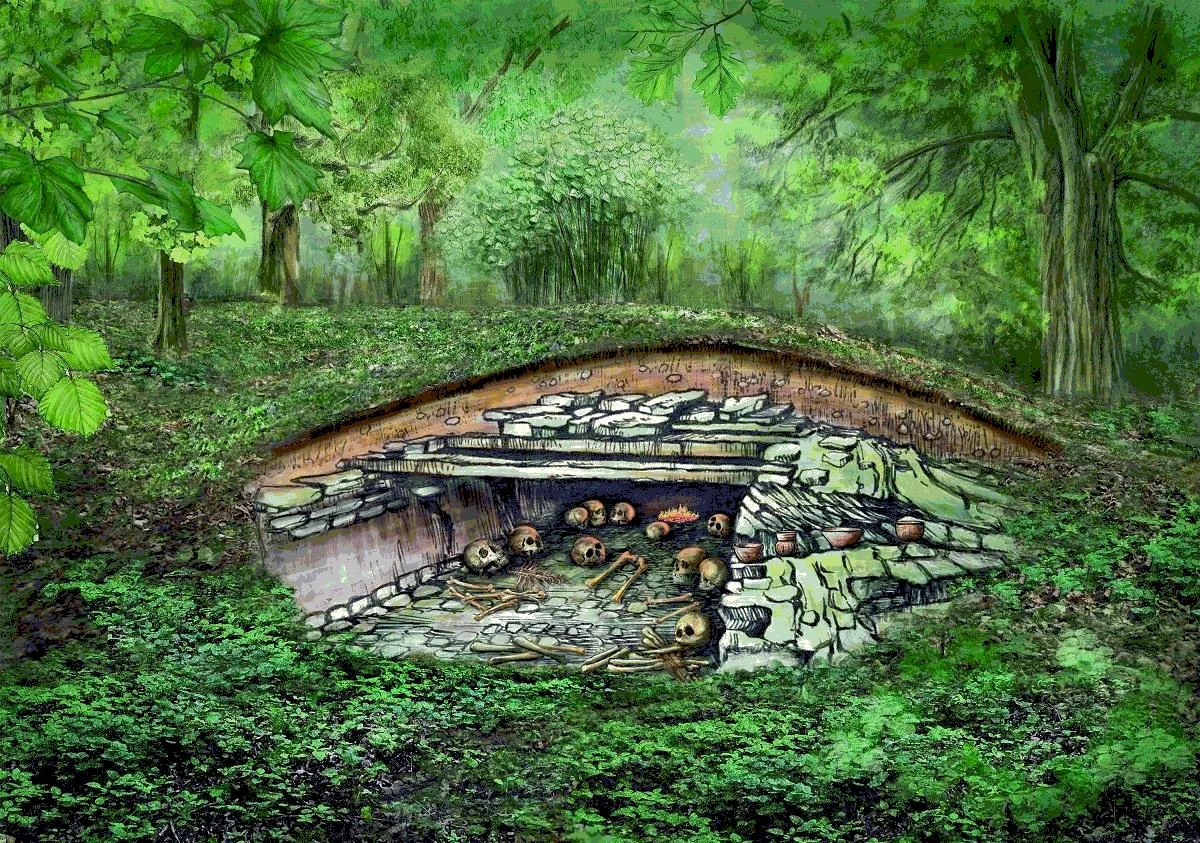
More than 5,000 years ago, communities in Central Europe built massive stone tombs that still dominate parts of the landscape. These megalithic monuments from the Late Neolithic period have long been linked with ancestry, family identity, and tightly connected kin groups. A new genetic study suggests a more complicated picture. People buried together in these … Read more