
Were Neanderthals capable of making art?

by Paul Pettitt — The ability to make art has often been considered a hallmark of our species. Over a century ago, prehistorians even had trouble believing that modern humans from the Upper Palaeolithic (between 45,000 and 12,000 years ago) were capable of artistic flair. Reconstruction of a male homo neanderthalensis with child. Natural History … Read more
Petra Virtual Tour | Archaeology News Online Magazine

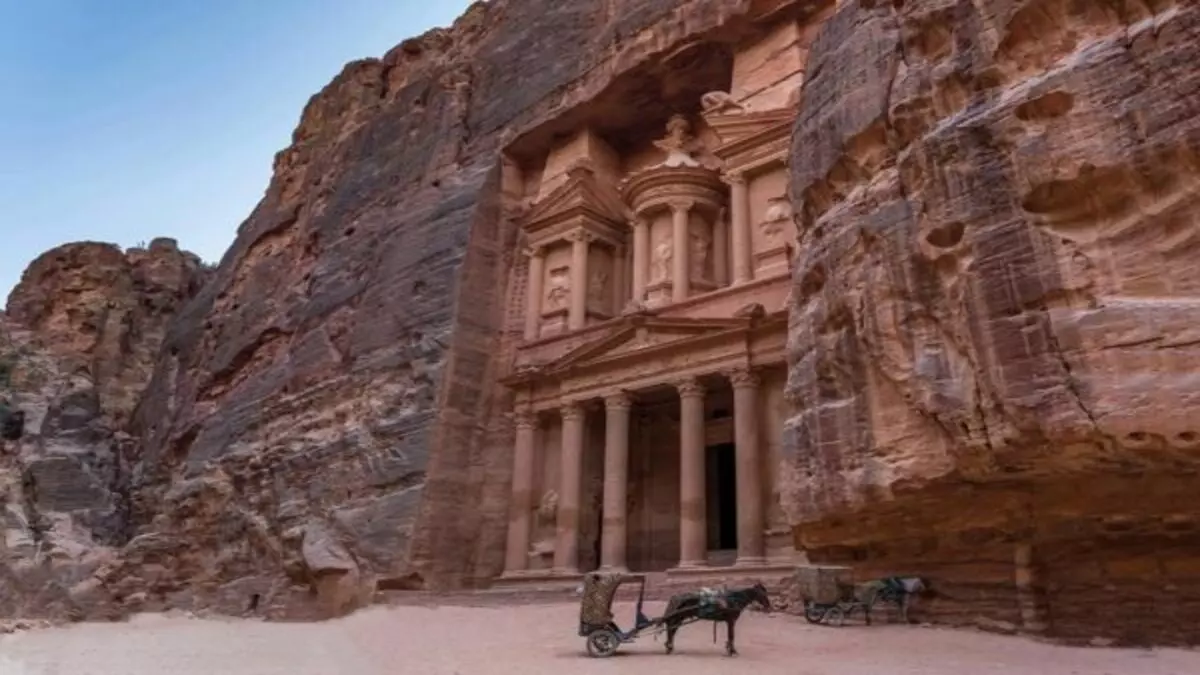
Petra, originally known as Raqmu or Raqm to its inhabitants, is a historic and archaeological city in southern Jordan. In Hellenistic and Roman times, it was the center of an Arab kingdom. This Nabataean caravan city, located between the Red Sea and the Dead Sea, has been inhabited since prehistoric times and served as an … Read more

2,300-year-old Iron Age riverside structure discovered beneath German city

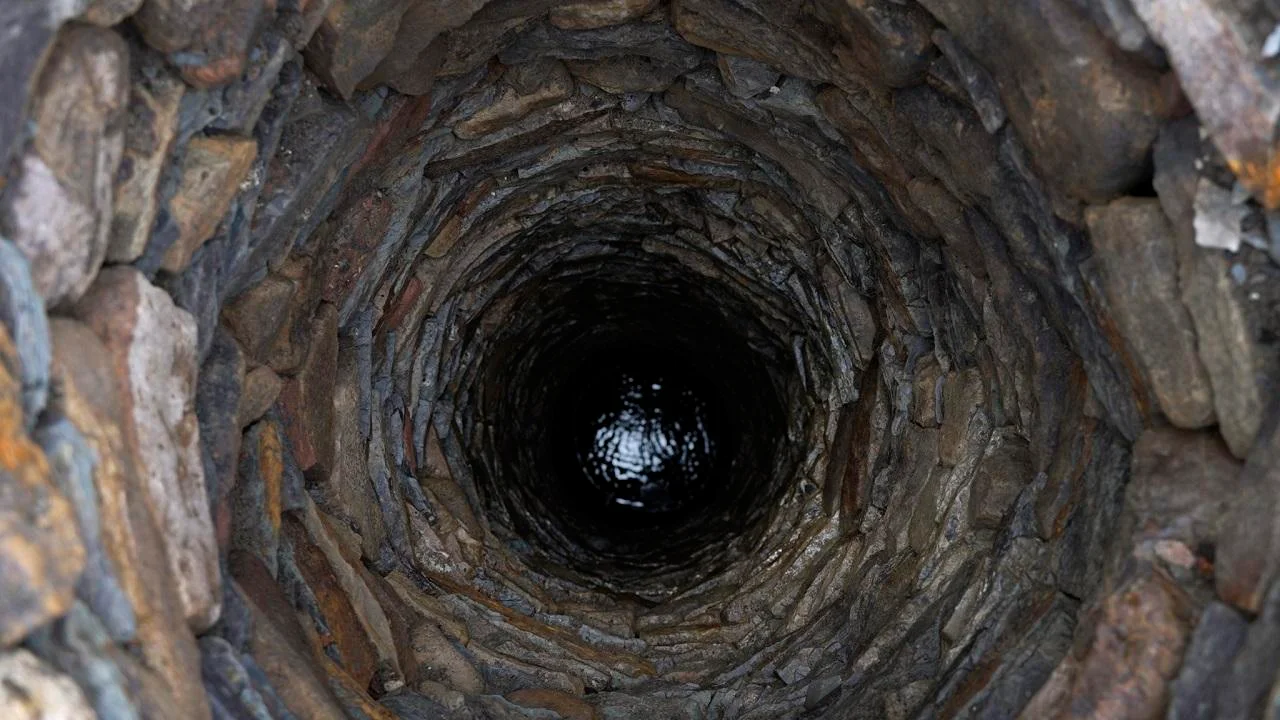
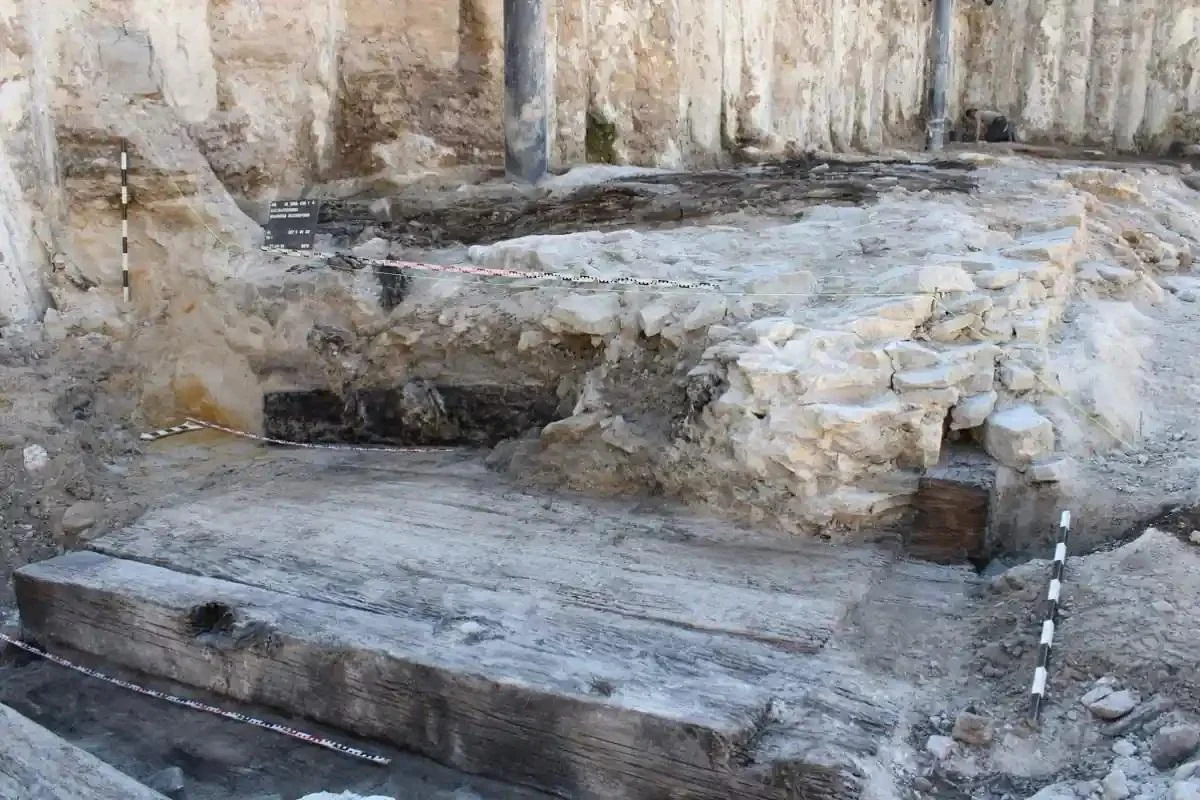
Archaeologists working in the Bavarian city of Aschaffenburg have uncovered a rare Iron Age structure buried deep along the banks of the Main River. The find emerged during construction work for a stormwater overflow basin north of the Willigis Bridge, where crews unexpectedly encountered large wooden remains nearly eight meters below the surface. Cross-section of … Read more

Viking Dynasties: The Royal Families of Lejre and Uppsala Between Archaeology and Text

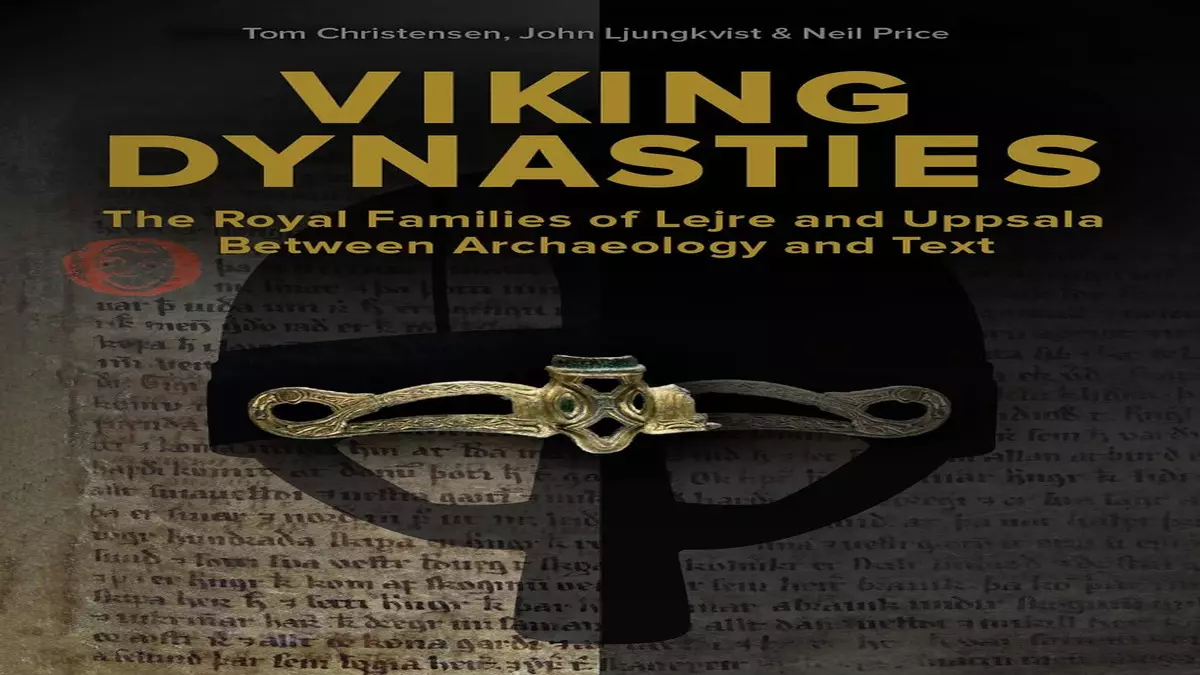
Viking Dynasties – The Royal Families of Lejre and Uppsala Between Archaeology and Text explores two of the most iconic royal sites in Scandinavian history: Lejre in Denmark and Gamla Uppsala in Sweden. by: Tom Christensen, John Ljungkvist & Neil Price Publisher: Aarhus University Press / Jutland Archaeological Society Publication date: 2025 Language: ‎English Pages: ‎622, illustrated, … Read more

Nondestructive DNA sampling uncovers 1,300 years of history preserved in ancient parchments

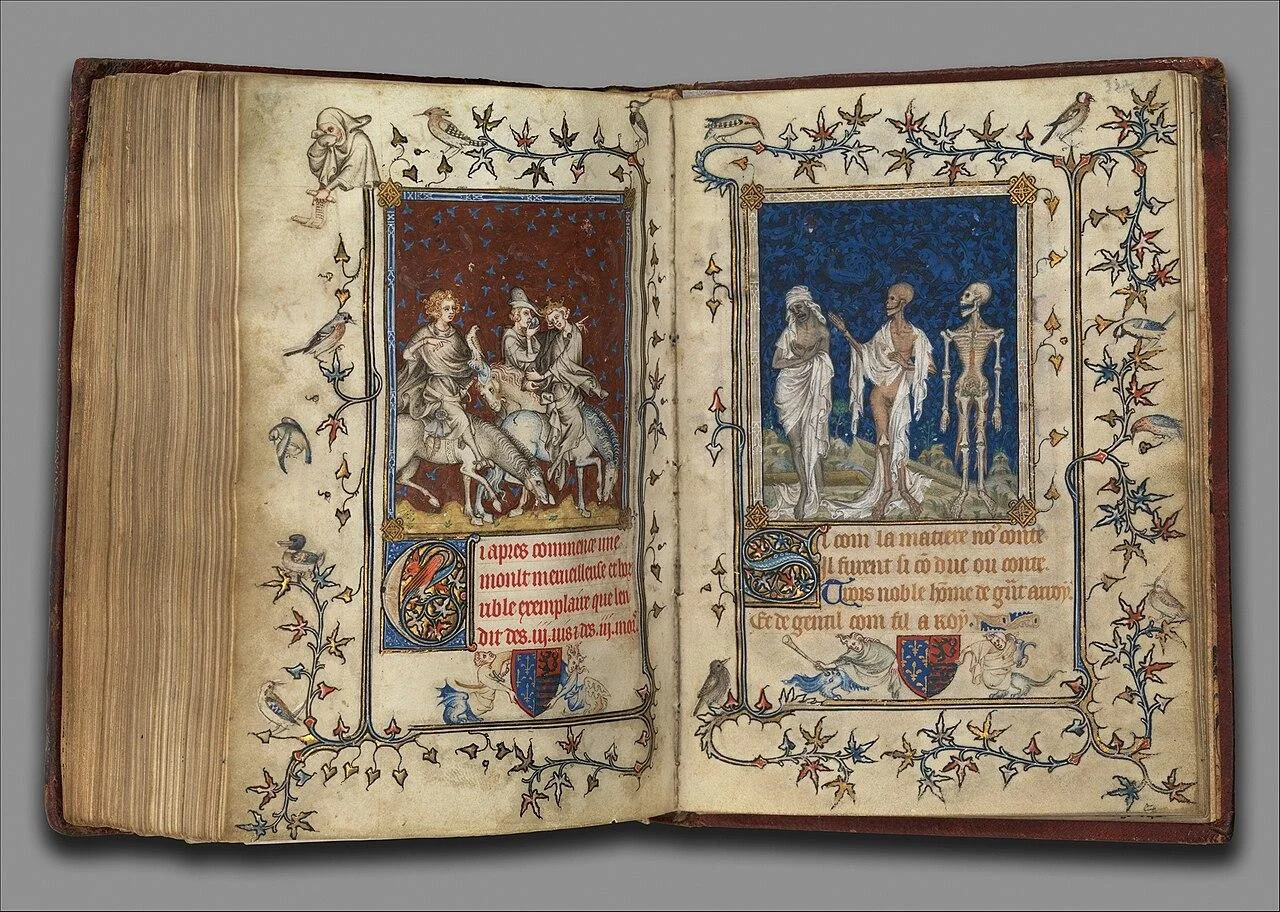
Researchers have developed a way to study DNA preserved inside ancient parchment manuscripts without damaging the documents. The work focused on animal skins used to produce manuscripts dating from the eighth century through the early 1900s. By analyzing genetic material from those skins, the team gathered new information about livestock farming, parchment production, and trade … Read more

Signatures meant more in Mesopotamia than they do now − what cylinder seals say about ancient and modern life

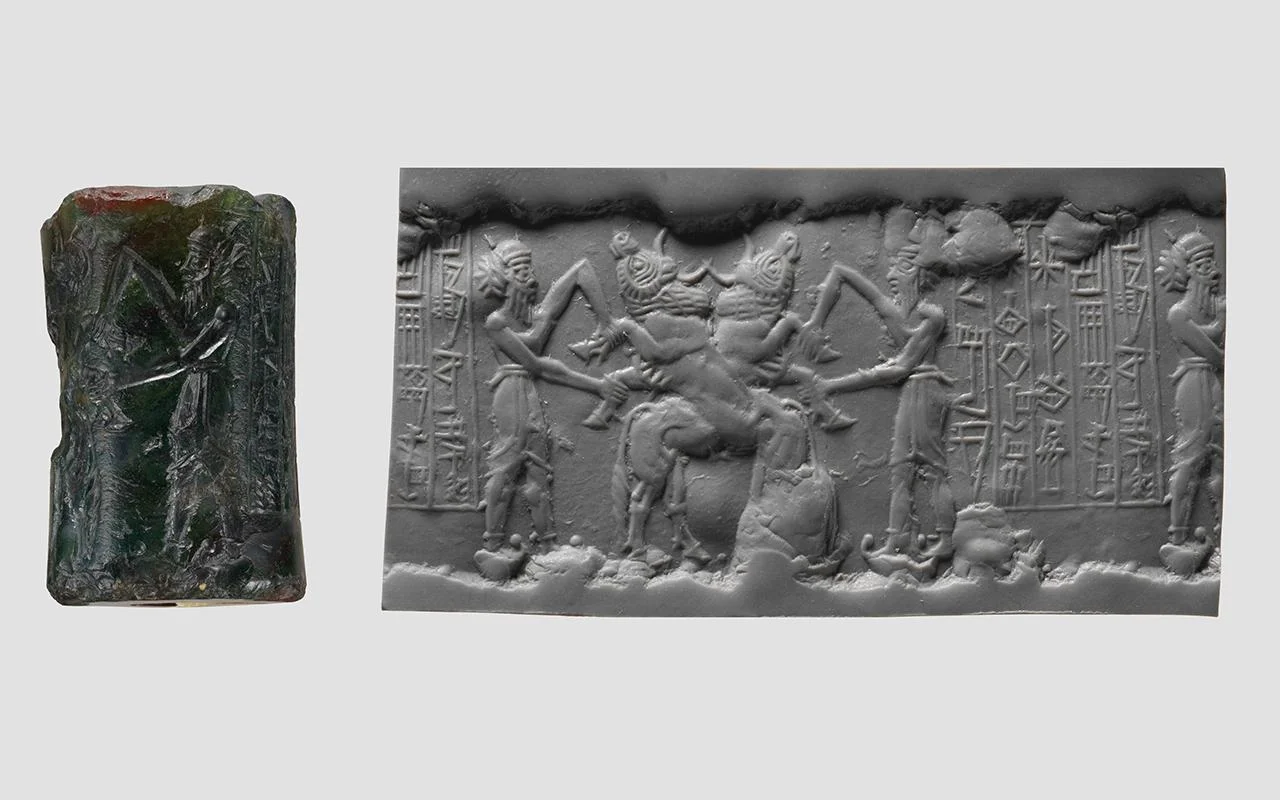
by Serdar Yalçin — The earliest form of the signature came from ancient Iraq in the form of cylinder seals. Mesopotamians, the ancient inhabitants of the land between the Euphrates and Tigris rivers, are credited for many firsts in human history, including writing, urbanism and the state. Among these inventions, cylinder seals are perhaps the … Read more

Zīrid Ifrīqiya and the Islamic world in the 10th–12th centuries: an international conference at UCL

An international academic conference titled “Zīrid Ifrīqiya and the Islamic World in the 10th–12th Centuries” will be held on 28 and 29 May 2026 at University College London (UCL). The academic conference is a collaboration between Université Paris 1 Panthéon-Sorbonne and UCL and will be centered on medieval North African archaeology and history. The conference … Read more

Rare 19th-century bone dental bridge found in Portugal points to early cosmetic tooth replacement

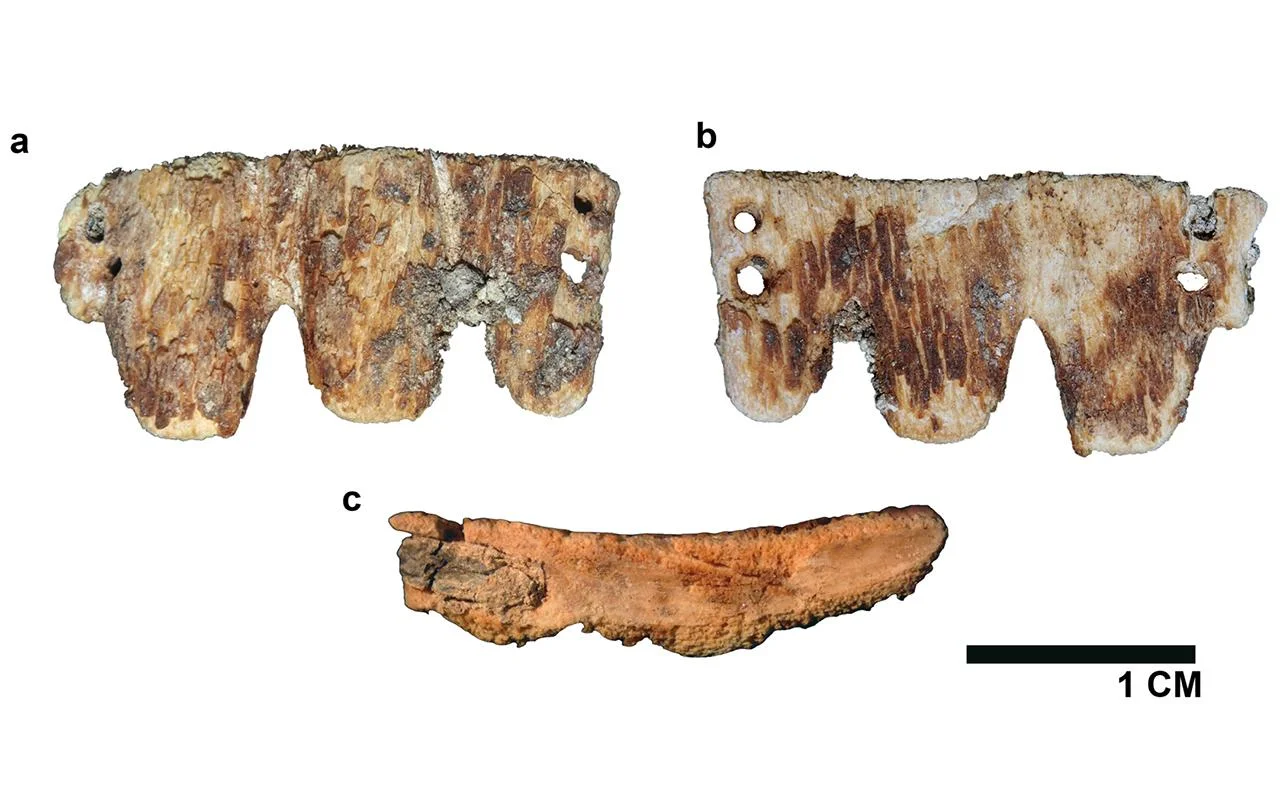
A small bone dental bridge found in a 19th century burial in Porto is giving researchers a rare look at early dental care in Portugal. The object, described in the International Journal of Osteoarchaeology, marks the first documented fixed bone dental bridge recovered from a Portuguese archaeological site. Macro stereomicroscopic images of the dental bridge. … Read more