
**Elite Anglo-Saxon Burials and Sacrificed Horse Found Near Sizewell**
Archaeologists have uncovered a remarkable early medieval cemetery in Suffolk, eastern England, revealing high-status burial practices from the sixth and seventh centuries. The discovery, made during surveys for the Sizewell C nuclear power project, includes at least 11 burial mounds and a range of graves that highlight the wealth, rituals, and social structure of Anglo-Saxon elites on the Suffolk coast.
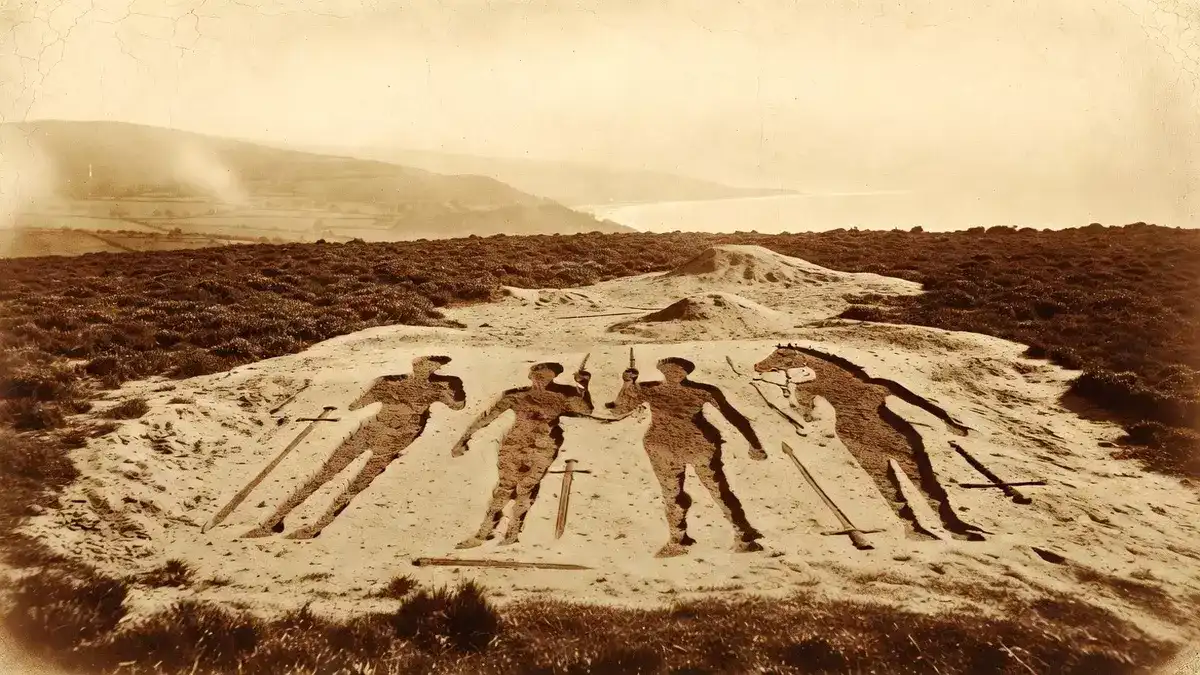
Despite the challenges of acidic, sandy soil that dissolved most bones, clear sand silhouettes preserved the outlines of bodies and grave goods. Among the most striking finds is a horse burial complete with riding equipment, suggesting ritual sacrifice tied to elite funerary customs. This site offers fresh insights into a dynamic period when competing kingdoms shaped early England.
Elite Anglo-Saxon Burials and Sacrificed Horse Found Near Sizewell
### Discovery During Infrastructure Development
The cemetery emerged during archaeological work connected to road construction supporting the Sizewell C project. Located near the modern village of Sizewell, the burial ground sat on a raised area of land, providing a prominent and well-drained setting for the dead.
Excavations revealed a carefully planned layout with multiple burial mounds, cremation pits, and inhumation graves. This organized arrangement points to a dedicated mortuary landscape used by a community that valued its ancestors and social hierarchy. The work involved around 200 specialists investigating nearly 70 sites across about 500 acres, uncovering evidence of human activity spanning thousands of years.

### Sand Silhouettes Preserve Anglo-Saxon Graves
The region’s acidic sandy soil typically destroys organic remains, but in this case it left behind dramatic sand silhouettes—ghostly outlines where bodies and objects once lay. One notable grave contained two adult individuals placed side by side, suggesting they died around the same time, possibly as partners or close kin.
Grave goods in this paired burial included weapons such as swords and a spear, along with high-status personal items like a metal bowl and cup. These objects indicate the individuals held elevated positions in society, consistent with warrior or leadership roles common among early Anglo-Saxon elites.

### Evidence of Horse Sacrifice and Elite Rituals
Nearby, archaeologists recorded the clear silhouette of a horse accompanied by bridle fittings, harness elements, copper alloy decorations, and an iron bit still positioned in the mouth area. The animal appears to have been buried while wearing its riding gear, a strong indicator of ritual sacrifice linked to the funeral of a high-ranking person.
Horse burials are rare and prestigious features in early medieval England. They symbolize power, mobility, and connections to the warrior elite. The Sizewell example strengthens comparisons with other famous sites and reflects beliefs that the deceased would need their mount in the afterlife or during ceremonial journeys.
### Connections to Famous Anglo-Saxon Cemeteries
Researchers draw clear parallels with high-status burial grounds such as Sutton Hoo, Snape, and Prittlewell. These sites, also in eastern England, are associated with the early kingdoms of East Anglia and Essex during a time of political competition and cultural transformation following the collapse of Roman Britain.
The Sizewell cemetery adds important new data to this network of elite burial places. Weapons, horse equipment, and metal objects align with traditions of displaying status through rich grave furnishings. The presence of both cremation and inhumation practices shows a period of evolving rituals influenced by both pagan and emerging Christian traditions.
### Broader Settlement and Daily Life Context
Excavations around the cemetery uncovered traces of contemporary settlement activity, including loom weights and building remains. This proximity between living spaces and burial areas suggests communities maintained close physical and symbolic connections between the living and the dead.
Such patterns are typical of early Anglo-Saxon society, where kinship groups, warrior bands, and emerging royal authority shaped daily existence. The Suffolk coast offered strategic advantages for trade, fishing, and agriculture, supporting the rise of powerful local leaders.
### Multi-Period Archaeological Riches
The Sizewell C project area has proven exceptionally rich in archaeology beyond the Anglo-Saxon period. Finds include a rare Iron Age oak ladder dating between 800 BCE and CE 50—one of the best-preserved examples from that era. A Roman pottery kiln from the first to fourth centuries CE points to organized craft production, while evidence of Roman salt production highlights industrial activity along the coast.
Bronze Age farming traces and Beaker culture cremations demonstrate even deeper roots of human occupation. Medieval ovens and World War II defensive structures show the landscape’s continued importance through later centuries. In 2023, archaeologists recovered a hoard of more than 300 eleventh-century silver coins, carefully wrapped and hidden, likely during a time of Viking or other unrest.
These layered discoveries document continuous human engagement with the Suffolk landscape for thousands of years, from prehistoric tool use to modern infrastructure projects.
### Significance for Early Medieval England
The sixth and seventh centuries marked a formative era in English history. Following the end of Roman rule, waves of migration and cultural change led to the establishment of Anglo-Saxon kingdoms. Elite burials like those at Sizewell served important social and political functions: reinforcing status, claiming territory, and maintaining group identity.
Horse sacrifice, weapon burials, and mound construction reflect a warrior-oriented society where displays of wealth and martial prowess were central to leadership. The Sizewell finds add concrete evidence to our understanding of how these practices varied across regions and helped consolidate power among emerging elites.
The acidic soil preservation, while destructive to bone, created unique sand silhouettes that provide spatial and positional data rarely available at other sites. This allows detailed reconstruction of burial arrangements and ritual sequences.
### Scientific and Excavation Methods
Archaeologists employed meticulous techniques suited to the challenging sandy environment. Careful hand excavation, detailed recording of silhouettes, and systematic recovery of associated artifacts ensured maximum information gain. Specialist analysis of metalwork, ceramics, and other materials continues, promising further insights into trade networks, craftsmanship, and daily life.
The project exemplifies the value of developer-funded archaeology. Infrastructure developments like Sizewell C require thorough surveys that often reveal unexpected heritage treasures, contributing significantly to national knowledge while balancing modern needs.
### Cultural and Historical Legacy
Eastern England played a pivotal role in the formation of early English identity. Sites like Sutton Hoo, with its famous ship burial, have captured public imagination for decades. The Sizewell cemetery complements these famous discoveries, offering a broader view of regional variation and the lives of lesser-known elites.
Artifacts from the site will be archived and studied further before transfer to museums, ensuring public access and ongoing research. This work preserves Suffolk’s rich heritage for future generations while highlighting the area’s importance in Britain’s story.
### Environmental Setting and Landscape Use
The Suffolk coast has long attracted human settlement due to its resources and strategic position. Raised ground provided suitable locations for burial mounds visible across the landscape, serving as ancestral markers and statements of territorial control. Sandy soils and proximity to the sea influenced both daily life and preservation conditions.
The multi-period nature of the discoveries reflects how successive societies adapted to the same environment, from Bronze Age farmers to Roman industrialists, Anglo-Saxon elites, and beyond.
### Why These Finds Captivate Modern Audiences
Stories of Anglo-Saxon warriors, sacrificed horses, and hidden treasures resonate deeply because they blend mystery, drama, and human connection. The sand silhouettes evoke haunting images of long-vanished people, while the horse burial adds a poignant ritual element. Such discoveries bridge the distant past with contemporary interest in heritage, identity, and archaeology.
For local communities near Sizewell, the finds provide pride in their region’s deep history amid modern development discussions. Nationally, they enrich understanding of how England emerged from the post-Roman period.
### Future Research and Public Outreach
Ongoing laboratory analysis of artifacts and spatial data will refine interpretations of the cemetery’s chronology, social composition, and ritual practices. Isotopic studies on any surviving material could reveal diet, mobility, and origins of the buried individuals.
Public engagement efforts, including museum displays and educational programs, will share these stories widely. The Sizewell discoveries demonstrate how large infrastructure projects can yield transformative archaeological insights when properly managed.
### Conclusion: Illuminating Anglo-Saxon Elite Culture
The elite burial ground near Sizewell, with its sand silhouettes of paired burials, sacrificed horse, and rich grave goods, offers a compelling window into early medieval society in eastern England. Dating to the sixth and seventh centuries, these remains reflect the power, rituals, and connections of Anglo-Saxon leaders during a formative era.
Combined with multi-period finds ranging from Iron Age ladders to Roman kilns and medieval coin hoards, the project reveals a landscape of continuous human achievement and adaptation. As artifacts move into archives and museums, they will continue to deepen our appreciation of Suffolk’s—and Britain’s—complex past.
This discovery underscores the importance of protecting heritage during modern development and celebrates the enduring legacy of those who shaped England’s early history. The warriors and horses of Sizewell, though reduced to sand outlines, speak powerfully across the centuries about status, belief, and community on the Anglo-Saxon frontier.
### FAQ: Anglo-Saxon Burials and Horse Sacrifice at Sizewell
**How old is the Sizewell cemetery?**
The burials date to the sixth and seventh centuries, during the early Anglo-Saxon period in England.
**Why were only sand silhouettes preserved?**
Acidic and sandy soils in the region dissolved bones, but they left clear outlines (silhouettes) of bodies and objects in the ground.
**What evidence suggests horse sacrifice?**
A horse grave contained bridle fittings, harness, and an iron bit, indicating the animal was buried with riding equipment as part of a ritual linked to an elite human burial.
**What grave goods were found?**
Items included swords, spears, metal bowls, cups, and other high-status objects, pointing to wealthy or warrior individuals.
**How does this site compare to Sutton Hoo?**
It shares similar elite burial traditions with mounds, weapons, and horse elements, adding to our understanding of high-status practices across eastern England.
**What other archaeological periods were discovered?**
The project revealed Iron Age, Bronze Age, Roman, medieval, and World War II remains, including a rare oak ladder and a large coin hoard.