
**5,500-Year-Old Skeleton Rewrites Syphilis History in Americas**
Archaeologists and geneticists have made a stunning discovery that reshapes our understanding of one of history’s most notorious diseases. A 5,500-year-old human skeleton from Colombia has yielded the oldest known genome of *Treponema pallidum*, the bacterium responsible for syphilis and related infections. This breakthrough pushes back the confirmed presence of treponemal diseases in the Americas by thousands of years, long before European contact.
The findings challenge traditional narratives about the origins of syphilis and highlight the power of ancient DNA to uncover hidden chapters in human health and disease. For researchers, historians, and anyone interested in the deep past, this Colombian skeleton offers a profound new perspective on Indigenous health and the global story of infectious diseases.
5,500-Year-Old Skeleton Rewrites Syphilis History in Americas
### Groundbreaking Discovery in Colombia’s Sabana de Bogotá
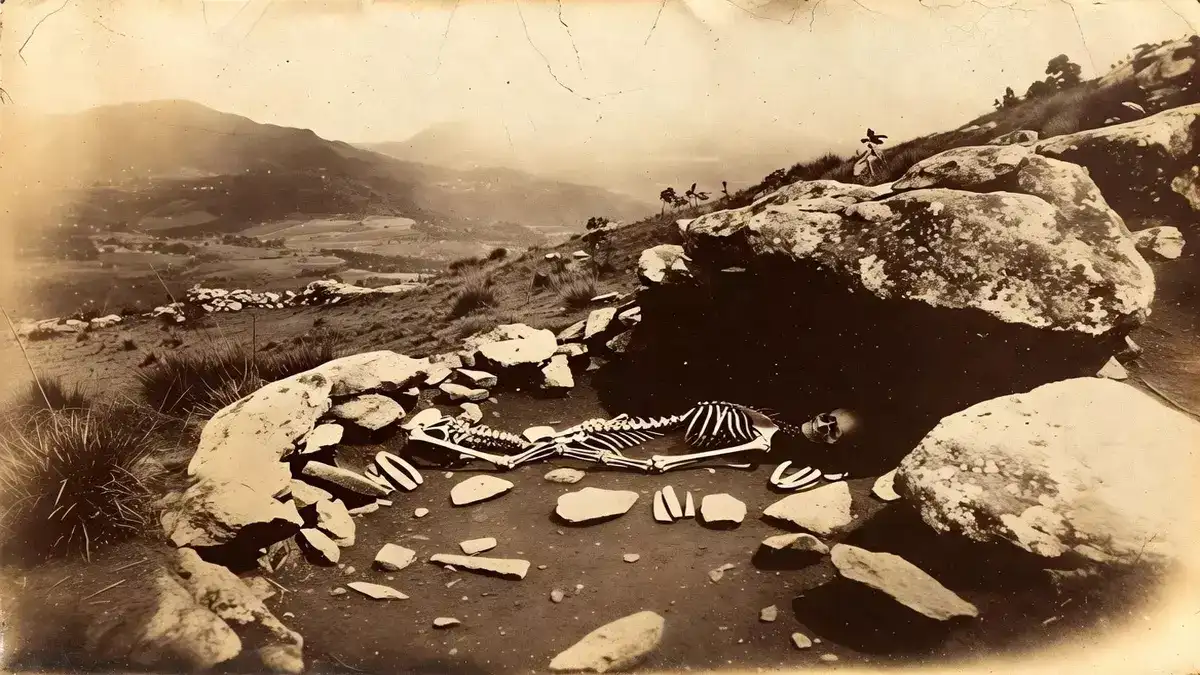
Scientists recovered the ancient bacterial genome from the tibia of a middle-aged hunter-gatherer buried in a rock shelter in the Sabana de Bogotá region. During this period, small, mobile communities navigated the landscape long before the rise of intensive agriculture or large settlements. The individual showed no obvious skeletal lesions typically associated with treponemal disease, yet deep genetic sequencing revealed unmistakable traces of the pathogen.
The project recovered approximately 1.5 billion DNA fragments, providing enough data to reconstruct a nearly complete ancient bacterial genome without specialized enrichment techniques. This technical achievement opens exciting new avenues for studying ancient infections in bones that appear healthy to the naked eye.
### Understanding Treponema pallidum and Its Diseases
*Treponema pallidum* encompasses several closely related bacteria that cause distinct but similar conditions: syphilis, yaws, bejel, and potentially pinta. These diseases have affected human populations for millennia, producing symptoms ranging from skin lesions to severe neurological and cardiovascular damage in later stages.
The Colombian genome belongs to the *Treponema pallidum* group but represents a distinct lineage that diverged from other known strains around 13,700 years ago. Modern subspecies associated with syphilis, yaws, and bejel appear to have split around 6,000 years ago. These dates suggest significant genetic diversity among treponemal pathogens in the Americas during the Late Pleistocene and early Holocene periods.
### How the Ancient Genome Changes Disease Origins
For centuries, historians and scientists debated whether syphilis originated in the New World and traveled to Europe after Columbus’s voyages, or vice versa. The new Colombian evidence strongly supports a deep pre-Columbian history of treponemal infections in the Americas.
Earlier ancient DNA studies had identified the bacterium in remains from Chile (around CE 1000) and Brazil (350 BCE to CE 570). The Sabana de Bogotá genome predates those finds by several millennia, establishing the Americas as a long-term hotspot for these pathogens. This timeline weakens claims that syphilis arrived solely through 15th-century European contact and instead points to complex, long-standing evolutionary relationships between humans and treponemal bacteria.
### Life and Health Among Ancient Hunter-Gatherers
The individual lived in a dynamic environment where small bands moved seasonally, relying on wild resources for survival. Burial in a rock shelter reflects common practices among early South American foragers. The presence of the infection, even without visible bone changes, suggests the disease could circulate in populations without always leaving dramatic skeletal signatures.
This finding has important implications for understanding ancient health. Treponemal diseases likely influenced mobility, social interactions, and community resilience in prehistoric groups. Symptoms and transmission patterns may have differed from modern forms, possibly resembling milder skin conditions like pinta, historically documented in parts of Central and South America.
### Scientific Methods Powering the Discovery
Researchers extracted DNA from the tibia—a dense bone that often preserves genetic material well. Advanced sequencing technologies allowed recovery of both human and pathogen DNA from the same sample. The original sequencing focused on human population history, but the dataset proved rich enough to capture bacterial fragments as well.
Genomic comparisons with modern and other ancient strains, combined with sophisticated statistical modeling, helped place the Colombian bacterium within the broader treponemal family tree. This multidisciplinary approach, blending archaeology, genomics, and evolutionary biology, exemplifies the cutting edge of paleogenomics research.
### Ethical Collaboration and Cultural Respect
Before publication, the international team worked closely with Colombian scholars, students, and local communities. They secured all necessary permits and engaged in dialogue about interpreting results in the context of regional history and Indigenous heritage. Such collaboration ensures that scientific advances respect cultural sensitivities and contribute positively to local understanding of the past.
The ancient genome now serves as a valuable reference for future studies on pathogen evolution and human-disease interactions across the Americas.
### Broader Implications for Infectious Disease History
This discovery underscores how paleogenomics can transform our knowledge of ancient epidemics. Treponemal bacteria show relatively limited genetic variation despite causing different clinical outcomes, making skeletal evidence alone insufficient for species-level identification. Recovering DNA from non-lesioned bones dramatically expands the pool of samples available for research.
The findings also contribute to global conversations about the Columbian Exchange—the massive transfer of plants, animals, people, and diseases following European arrival in the Americas. While some diseases undoubtedly crossed the Atlantic in both directions, treponemal infections clearly had deep roots in the Western Hemisphere.
### Environmental and Archaeological Context
The Sabana de Bogotá and nearby sites like Tequendama offer a rich record of prehistoric human adaptation. Rock shelters provided natural protection, while the surrounding savanna and river systems supported diverse foraging strategies. The Bogotá River and local landscapes shaped daily life for these ancient communities, influencing everything from food sources to burial traditions.
Continued research in the region promises further insights into how climate, ecology, and human movement influenced the spread and evolution of infectious diseases over thousands of years.
### Why This Matters for Modern Science and Society
Understanding the deep history of syphilis and related infections has practical value today. It informs evolutionary models of pathogen adaptation and may offer clues about why certain strains behave differently across populations. As antibiotic resistance emerges as a global health concern, lessons from ancient bacterial genomes could prove surprisingly relevant.
For the public, this story humanizes prehistory. A middle-aged hunter-gatherer living over five millennia ago carried an infection that still affects millions worldwide. It reminds us of the shared biological vulnerabilities that connect ancient and modern humans.
The discovery also celebrates the resilience of Indigenous ancestors whose descendants maintain rich cultural traditions across the Americas. Scientific advances like this honor the past while building knowledge for the future.
### Ongoing Research and Future Directions
Scientists anticipate that additional ancient genomes from across the Americas will refine timelines and clarify relationships between different treponemal diseases. Improved techniques for recovering pathogen DNA from challenging samples will likely yield more surprises in coming years.
Integration with archaeological, linguistic, and oral history data will create even more comprehensive pictures of health and disease in pre-Columbian societies. International collaborations will remain essential for responsible and impactful research.
### Conclusion: A New Chapter in Human-Pathogen History
The 5,500-year-old skeleton from Colombia’s Sabana de Bogotá has rewritten the timeline of treponemal infections in the Americas. By recovering the oldest known *Treponema pallidum* genome, researchers have illuminated a long, complex history of these bacteria among Indigenous populations—thousands of years before European arrival.
This landmark study showcases the transformative power of ancient DNA while respecting the cultural contexts of the past. As paleogenomics continues to advance, we can expect more revelations about humanity’s enduring struggle with infectious diseases and the remarkable adaptability of both people and pathogens.
The ancient hunter-gatherer from Bogotá now contributes to a global scientific legacy, bridging deep time with modern medicine and reminding us of the intricate connections between humans and the microscopic world around us.
### FAQ: Oldest Syphilis Genome and Ancient Disease in the Americas
**How old is the Colombian skeleton with the treponemal genome?**
The remains date to approximately 5,500 years ago, making this the oldest confirmed *Treponema pallidum* genome recovered anywhere.
**What diseases does *Treponema pallidum* cause?**
It is responsible for syphilis, yaws, bejel, and related infections. The ancient strain represents an early lineage within this group.
**Did the individual show signs of disease in their bones?**
No visible lesions were present. The infection was detected through genetic analysis, showing that ancient DNA can reveal pathogens even without skeletal changes.
**How does this finding affect theories about syphilis origins?**
It strongly supports pre-Columbian presence in the Americas, weakening claims that the disease arrived only after European contact in the 15th century.
**Why is recovering pathogen DNA from ancient bones important?**
It provides direct genetic evidence of disease history, helps reconstruct evolutionary timelines, and expands the types of samples usable for future research.
**What does this mean for Indigenous history in the Americas?**
It highlights the deep-time presence of certain infections among Native populations and underscores the value of collaborative, respectful scientific work with local communities.