
**Rediscovered Infant Burial Grounds Reveal Ireland’s Emotional Past**
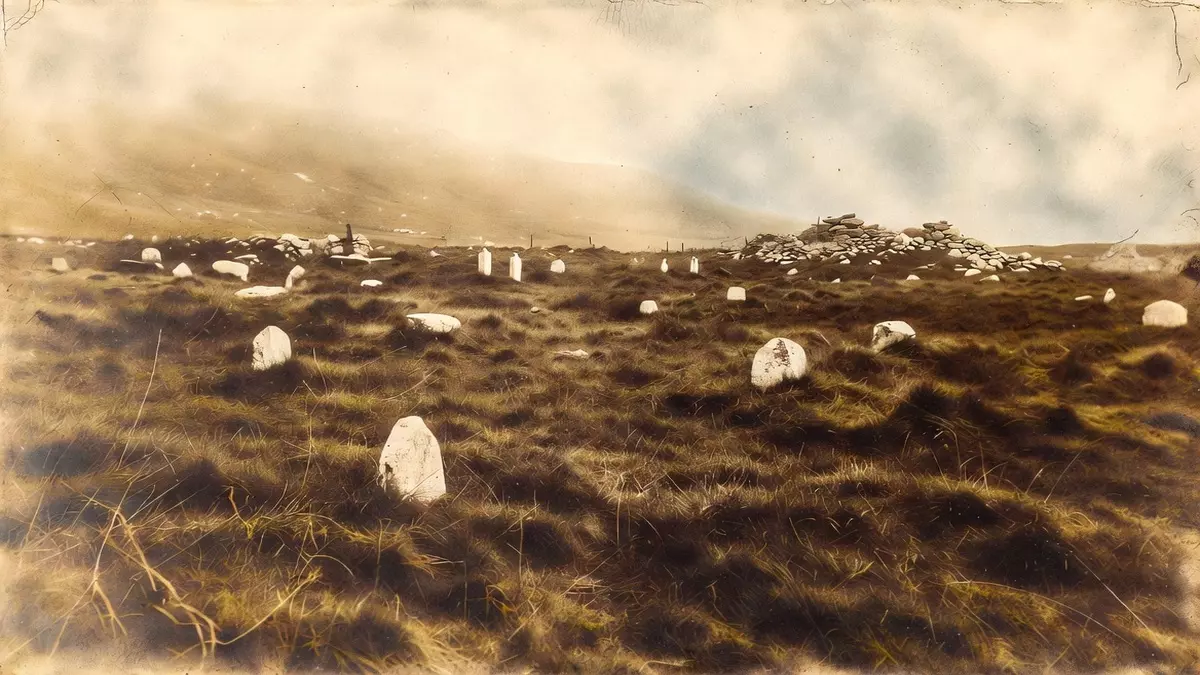
Archaeologists are shining new light on one of Ireland’s most poignant and overlooked chapters in history. A groundbreaking study has rediscovered long-lost cillíní—special burial grounds reserved for unbaptized infants who died at birth, were stillborn, or miscarried. By blending rich folklore traditions with modern archaeological methods, researchers are not only locating forgotten sites but also uncovering the deep emotions, cultural beliefs, and social pressures that shaped these sacred places for centuries.
This work highlights the resilience of oral history and its power to preserve memories that formal records often ignored. It offers a moving glimpse into how Irish families coped with unimaginable loss while navigating strict religious and community expectations.
Rediscovered Infant Burial Grounds Reveal Ireland’s Emotional Past
### Understanding Cillíní: Ireland’s Unbaptized Infant Burial Tradition
Cillíní served as resting places for the youngest and most vulnerable members of Irish society outside consecrated church grounds. In a deeply Catholic culture, unbaptized children were traditionally denied burial in regular cemeteries due to theological views on original sin. Families turned instead to liminal landscapes—places that existed between the sacred and the everyday.
These sites dot the Irish countryside in various forms: repurposed ancient enclosures, spots near holy wells, crossroads, or even within prehistoric ringforts. The new research by archaeologist Marion Dowd at Atlantic Technological University brings fresh attention to their significance, transforming scattered local knowledge into documented heritage.
### Folklore Meets Archaeology: A Powerful Partnership
Dowd’s study stands out for its innovative approach. She examined more than 350 historical accounts from the National Folklore Collection Schools archive, cross-referencing them with archaeological surveys, field observations, and old maps. This meticulous process revealed 11 previously unrecorded cillíní and relocated 16 sites long thought to have vanished.
The sites stretch across a wide geographic area, including counties Kerry, Mayo, Donegal, Galway, Clare, Cork, Louth, Sligo, Waterford, Longford, Meath, Monaghan, Tipperary, and Wexford. Notable examples include Lisheen na bPáistí in County Sligo and Inis na Leanbh in Kilquane, County Kerry. Others cluster near holy wells in Waterford or crossroads in Clare, while some in Meath occupy the interiors of ancient ringforts.
This integration of oral tradition with physical evidence marks a significant advancement. Many locations never appeared in earlier archaeological inventories, exposing gaps in traditional survey methods that overlooked small, informal burial grounds.
### The Archaeology of Emotion and Grief
One of the most compelling aspects of the research is its focus on the human experience. Folklore accounts vividly describe the grief, shame, and social stigma parents faced when losing unbaptized infants. These burials often occurred in secrecy or under difficult circumstances, reflecting broader tensions between personal loss and religious doctrine.
Dowd frames this as an “archaeology of emotion,” a growing field that seeks to understand past feelings through material remains and stories. Parents’ sorrow echoes across generations in these tales, humanizing historical practices that might otherwise seem distant or harsh.
Supernatural elements also feature prominently. Stories speak of strange lights hovering over the grounds and concepts like the “stray sod” or “hungry sod”—mystical forces believed to mislead or punish anyone who disturbed the graves. Such beliefs protected the sites while adding layers of cultural meaning and caution.
### Regional Variations and Folk Practices
Irish cillíní were not uniform; local customs added rich variety. Some burial grounds separated infants by sex, with distinct areas for boys and girls. Other traditions linked visits to these sites with folk cures for living children, suggesting a complex relationship between the dead and the living.
These details emerge for the first time in formal archaeological discussion, thanks to the careful weaving of folklore sources. They reveal how communities adapted universal experiences of infant mortality to their specific landscapes and beliefs.
Early Medieval enclosures, such as the one at Ballinphull in Sligo, were sometimes repurposed centuries later as cillíní. This reuse of ancient landscapes connects medieval history with more recent practices, creating a continuous thread of human activity across time.
### Threats to These Fragile Heritage Sites
Many cillíní now face serious risks from agricultural activities, land development, and natural neglect. Small and often unmarked, they can easily disappear under modern pressures. Dowd’s work emphasizes the urgency of documentation before more sites are lost forever.
Ireland’s recognition of folklore as vital national heritage—supported by legislation aligned with the UNESCO Convention on Intangible Cultural Heritage—provides a strong framework for protection. By treating oral histories as legitimate sources, authorities can better safeguard both the physical locations and the cultural knowledge tied to them.
### Why This Rediscovery Matters for Irish Identity
The study reconnects living communities with their ancestral past in profound ways. Many Irish families today trace roots to these stories of quiet mourning and resilience. Rediscovering cillíní honors the thousands of infants whose lives were brief yet deeply felt, while challenging earlier narratives that marginalized these burial practices.
It also enriches Ireland’s broader archaeological landscape. Cillíní complement more famous sites like passage tombs and monastic ruins, adding emotional depth to the nation’s heritage narrative. For descendants of the Irish diaspora, particularly in the United States, these findings offer touching connections to ancestral struggles and traditions.
Modern interest in genealogy and cultural reclamation makes this research especially timely. As more people explore family histories, knowledge of cillíní provides context for unexplained gaps or whispered stories passed down through generations.
### Broader Context of Infant Mortality in Irish History
High rates of infant mortality were unfortunately common across pre-modern Europe, but Ireland’s religious framework created unique responses. The Catholic Church’s teachings on baptism created a spiritual urgency around newborn deaths, influencing both private grief and public customs.
Economic hardship, famine, and limited medical care compounded these tragedies. Cillíní emerged as compassionate, if unofficial, solutions that allowed families to mark their children’s passing with dignity within community norms.
The folklore archive preserves voices that might otherwise have faded, capturing raw accounts from schoolchildren who recorded elders’ memories in the mid-20th century. These snapshots provide an invaluable window into 19th- and early 20th-century rural life.
### Community Involvement and Future Preservation
Dowd strongly encourages local communities to share any knowledge of cillíní in their areas. Resident input has already proven crucial in identifying and verifying sites. This collaborative model empowers people to participate actively in heritage protection rather than leaving it solely to academics.
Future efforts may include detailed mapping, protective signage, and integration into heritage trails. Non-invasive technologies like ground-penetrating radar could help confirm locations without disturbance, respecting the sacred nature of the grounds.
Educational programs in schools and museums can further raise awareness, ensuring younger generations understand and value this aspect of Irish history.
### Connecting Past and Present Through Shared Heritage
The rediscovery of these infant burial grounds underscores the enduring power of memory. What was once hidden or half-forgotten now enters public consciousness, fostering empathy and cultural pride. It reminds us that archaeology is not just about artifacts but about people—their hopes, fears, and ways of finding meaning amid loss.
As climate change, development, and time continue to threaten fragile sites, studies like this become essential tools for preservation. They demonstrate how blending scientific methods with cultural storytelling creates a more complete and compassionate picture of the past.
### Conclusion: Honoring Forgotten Lives Through Rediscovery
Marion Dowd’s research into Ireland’s cillíní transforms scattered folklore into tangible heritage, rediscovering lost burial grounds and illuminating the emotional landscape of infant loss. By validating oral traditions alongside archaeological evidence, the study protects memories of vulnerable children and the families who mourned them.
This work stands as a powerful example of how intangible cultural knowledge can breathe life into physical landscapes. As more sites come to light, Ireland gains a richer, more nuanced understanding of its history—one that honors every life, no matter how brief.
The rediscovered cillíní invite reflection on universal themes of grief, resilience, and community. They ensure that the smallest voices from Ireland’s past continue to be heard, fostering greater appreciation for the human stories embedded in the land.
### FAQ: Ireland’s Rediscovered Cillíní Burial Grounds
**What are cillíní and who were they for?**
Cillíní were informal burial grounds used for unbaptized infants who were stillborn, miscarried, or died shortly after birth. They allowed families to lay their children to rest outside consecrated cemeteries according to historical religious customs.
**How did researchers find previously lost sites?**
Archaeologist Marion Dowd compared over 350 folklore accounts from the National Folklore Collection with archaeological records and historical maps, successfully identifying 11 new sites and 16 previously considered lost.
**In which Irish counties have cillíní been documented?**
Sites appear across many regions, including Kerry, Mayo, Donegal, Galway, Clare, Cork, Louth, Sligo, Waterford, Longford, Meath, Monaghan, Tipperary, and Wexford.
**What supernatural beliefs surround these burial places?**
Folklore describes strange lights, the “stray sod,” and “hungry sod”—mystical forces thought to protect or punish those who disturbed the graves, reflecting deep cultural respect and caution.
**Are cillíní still at risk today?**
Yes. Many face threats from farming, development, and neglect. Community involvement and heritage legislation are crucial for protecting these sensitive sites.
**Why is folklore important for this archaeological research?**
Oral traditions provide location details and emotional context missing from formal records, enabling more accurate rediscovery and a deeper understanding of past social practices.