
**6,000 Years of Human Life Found in Spain’s Highest Prehistoric Cave**
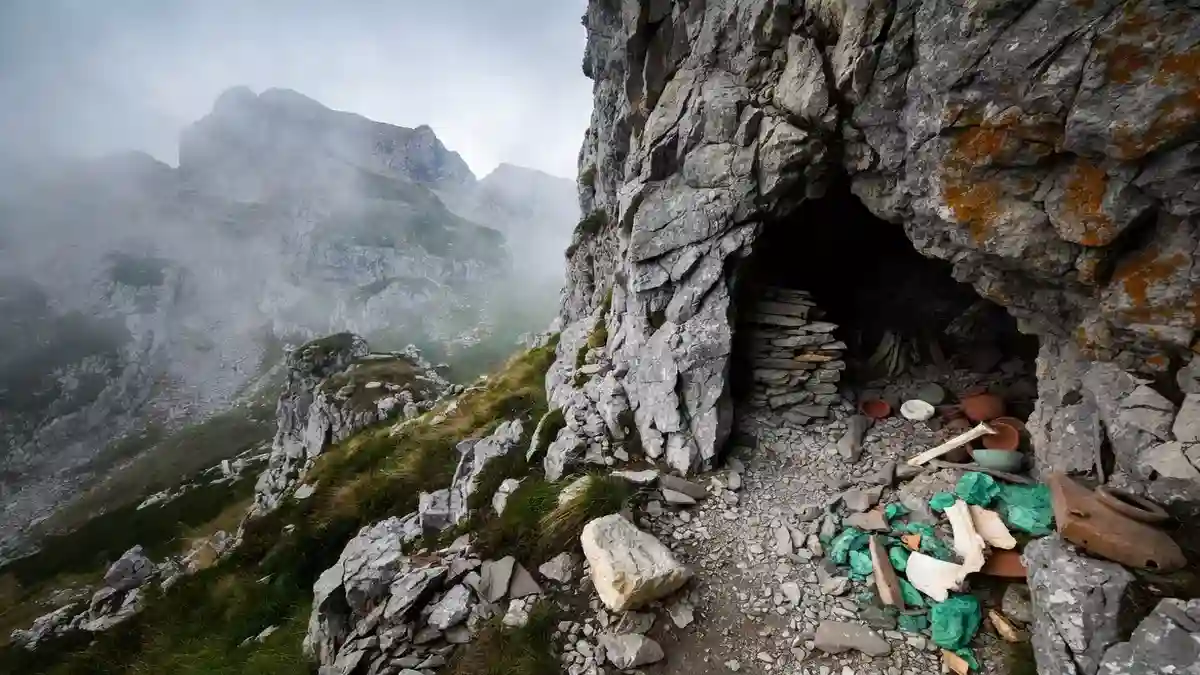
Archaeologists have uncovered remarkable evidence of 6,000 years of repeated human occupation in the highest known prehistoric cave in Spain’s Pyrenees mountains. This groundbreaking discovery at Cova 338 challenges long-held ideas about high-altitude environments and reveals how ancient communities thrived in harsh, elevated landscapes through smart seasonal strategies.
Located at an impressive 2,235 meters above sea level in the Núria Valley near Queralbs, northeastern Spain, the site offers a rare window into the lives of prehistoric groups who regularly returned to these rugged peaks for resources, shelter, and cultural activities.
6,000 Years of Human Life Found in Spain’s Highest Prehistoric Cave
### Redefining High-Altitude Prehistory in the Pyrenees
For decades, experts viewed mountain zones above 2,000 meters as marginal territories visited only sporadically by ancient humans. The findings from Cova 338 flip this assumption on its head. Excavations between 2021 and 2023 by an international team from the Universitat Autònoma de Barcelona and IPHES-CERCA revealed dense, layered deposits showing people used the cave consistently from the early 5th millennium BCE through the late 1st millennium BCE.
This extraordinary timespan covers the transition from the Neolithic period into the Bronze and Iron Ages. Rather than occasional stops, the evidence points to deliberate, planned seasonal visits that formed part of larger mobility patterns across the eastern Pyrenees.

The cave’s high elevation and excellent preservation make it stand out among other Pyrenean sites, which are often smaller rock shelters with thinner sediment layers and fewer surviving artifacts.
### Inside the Cave: Signs of Daily Life and Resource Use
Excavators uncovered a wealth of materials that paint a vivid picture of ancient mountain life. Numerous hearths indicate regular fire use for warmth, cooking, and possibly tool production. Animal bones show that groups hunted or processed game for food during their stays.
Pottery fragments and stone tools further demonstrate everyday activities like food preparation and equipment maintenance. Spatial analysis suggests the cave interior was thoughtfully organized, with specific zones dedicated to different tasks rather than chaotic, short-term use.
One of the most intriguing discoveries involves green mineral fragments identified as malachite, a copper-rich resource. These pieces appear crushed and processed near combustion areas, suggesting systematic mineral handling. This places Cova 338 among the earliest known high-altitude sites in Europe with clear evidence of copper-related activities, particularly during the Late Neolithic and Bronze Age.
The presence of malachite points to organized extraction and transport of resources from surrounding high-mountain areas. Prehistoric groups likely incorporated mineral processing into their seasonal routines, highlighting economic sophistication in environments once considered too difficult for sustained activity.
### Personal Items and Symbolic Practices
Beyond practical tools and food remains, archaeologists recovered meaningful personal objects that add emotional depth to the story. A pendant crafted from a marine shell of the genus *Glycymeris* and another made from a brown bear tooth suggest symbolic or decorative traditions. These items imply that people carried significant belongings into the mountains, possibly for personal adornment, status, or spiritual protection.
The discovery of human remains, including those of at least one child, raises fascinating questions about the cave’s role. While primarily used as a logistical camp, it may have also served funerary purposes during certain periods, blending domestic, economic, and ritual functions in one location.
### Life as a Seasonal Logistical Camp
Researchers interpret Cova 338 as a key stop within broader seasonal mobility systems. Ancient communities probably moved into the high Pyrenees during warmer months to access valuable resources such as minerals, firewood, wild game, and high-quality grazing areas.
This pattern reflects sophisticated knowledge of the mountain environment. Groups planned their movements carefully, returning to the same reliable shelter across generations. The labor involved in maintaining the site and processing materials shows organized social structures capable of coordinating activities in challenging terrain.
Faunal evidence and pit structures indicate stays long enough for multiple tasks, from hunting to tool repair and food consumption. Such repeated occupation over millennia demonstrates that the high Pyrenees were integrated into long-term economic strategies rather than treated as remote wilderness.
### Excavation Challenges and Innovative Fieldwork
Reaching and working at Cova 338 presented significant hurdles. The site is accessible only by foot from the Núria Valley, with no motorized vehicles permitted. Teams had to carry all equipment and excavated materials manually while employing advanced techniques like 3D recording, sediment sampling, and flotation for small finds.
Despite these demands, the effort yielded rich results. The cave’s protected interior preserved a deep stratigraphic sequence that many open-air or smaller high-mountain sites lack. This allows for detailed chronological reconstruction and environmental insights.
Future research will analyze pollen, charcoal, seeds, and additional animal bones to reconstruct the ancient mountain ecosystem. Scientists also plan to trace the exact source of the malachite and explore how it was processed and potentially traded.
### Why This Discovery Matters for European Prehistory
Cova 338 adds important new data to our understanding of prehistoric adaptation in mountainous regions. While lowland sites have received more attention, high-altitude locations like this reveal how early Europeans expanded their territories and resource networks.
The Pyrenees, forming a natural border between Spain and France, played a crucial role in ancient migrations and cultural exchanges. Evidence of mineral exploitation at such heights suggests early metallurgical interests that may connect to broader European developments in copper and bronze technology.
This find also underscores the value of continued exploration in understudied alpine zones. As climate change affects mountain environments, documenting these sites becomes increasingly urgent for preserving cultural heritage and understanding past human responses to environmental shifts.
### Connections to Broader Neolithic and Bronze Age Societies
During the periods when Cova 338 was in use, Europe witnessed major transformations. The spread of farming, animal domestication, and new technologies reshaped societies. In the Pyrenees, high-mountain camps like this likely supported lowland communities by providing seasonal resources and raw materials.
The marine shell pendant indicates connections to coastal areas, showing that even high-altitude groups participated in wider exchange networks. Bear tooth ornaments reflect relationships with local wildlife and possibly symbolic associations with strength or protection.
Human remains of a child hint at family involvement in these mountain expeditions, suggesting entire groups sometimes participated rather than just specialized hunting or mining parties.
### Technological and Methodological Advances in Mountain Archaeology
The project at Cova 338 demonstrates the benefits of combining traditional excavation with modern scientific methods. Fine recovery techniques ensured even tiny fragments were documented, while 3D modeling captured spatial relationships in detail.
Such approaches are essential in extreme environments where preservation can vary dramatically. The success here may inspire similar projects in other high-elevation regions, from the Alps to the Andes, expanding global knowledge of prehistoric mountain use.
### Conclusion: Ancient Mountains as Vital Human Spaces
The 6,000 years of human occupation at Cova 338 transform our view of the Pyrenees from harsh barriers to dynamic landscapes woven into ancient lifeways. Far from being empty or avoided, these high peaks hosted regular activity, resource processing, and cultural practices that sustained communities across millennia.
This discovery celebrates the adaptability and resilience of prehistoric people who navigated demanding environments with skill and foresight. It reminds us that human history unfolds not only in fertile valleys but also in challenging mountain settings where innovation and tradition met.
As researchers continue their work, Cova 338 promises even deeper insights into how our ancestors lived, worked, and found meaning in Spain’s highest prehistoric cave. The story of these ancient mountain visitors enriches our shared human heritage and inspires awe at the enduring connection between people and rugged landscapes.
### FAQ: Questions About the Highest Prehistoric Cave in Spain’s Pyrenees
**How high is Cova 338 and why is its location significant?**
The cave sits at 2,235 meters above sea level in the Núria Valley, making it the highest prehistoric cave identified in the Pyrenees. Its elevation provides unique evidence of sustained high-mountain use by ancient groups.
**What time period does the occupation cover?**
People used the cave repeatedly from the early 5th millennium BCE to the late 1st millennium BCE, spanning roughly 6,000 years across Neolithic, Bronze Age, and Iron Age periods.
**What evidence shows mineral processing at the site?**
Numerous crushed malachite fragments, a copper-rich green mineral, were found near hearths, indicating organized collection and processing activities during Late Neolithic and Bronze Age visits.
**What personal items were discovered and what do they suggest?**
Archaeologists recovered a marine shell pendant and a brown bear tooth pendant. These point to symbolic practices, personal decoration, and possible long-distance connections or cultural beliefs.
**Did the cave serve only practical purposes?**
No. While primarily a logistical camp for resource exploitation, evidence of human remains—including a child—suggests it may have also been used for funerary activities during some phases.
**Why is this discovery important for understanding prehistoric Europe?**
It proves high-altitude areas were actively integrated into seasonal strategies rather than marginal. The site reveals advanced resource use, social organization, and adaptation in mountain environments previously underestimated by archaeologists.