
**DNA Reveals Ancient Family Ties in 5,500-Year-Old Gotland Graves**
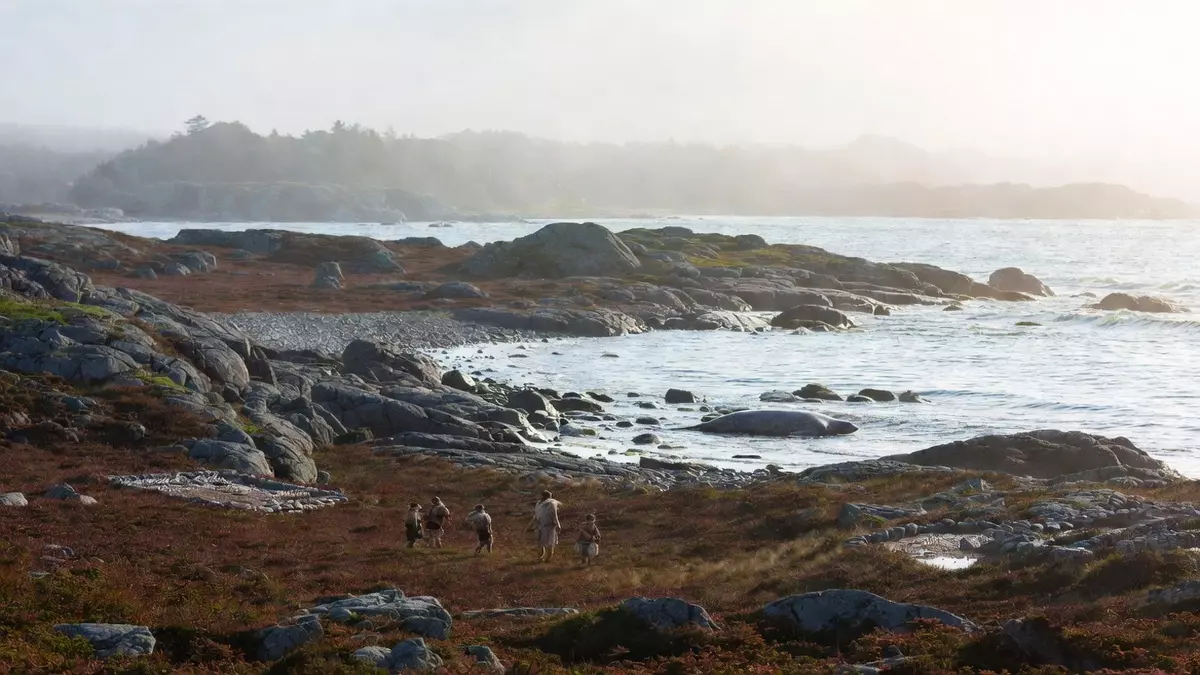
Ancient DNA from a remarkable Stone Age cemetery on the Swedish island of Gotland is shedding new light on the close-knit world of one of northern Europe’s last hunter-gatherer societies. Long after farming transformed much of the continent, the Pitted Ware Culture communities thrived by hunting seals and fishing along the Baltic coast. Now, researchers have uncovered intimate family connections preserved in burials dating back 5,500 years, offering a rare glimpse into kinship, social bonds, and daily life in prehistoric times.
DNA Reveals Ancient Family Ties in 5,500-Year-Old Gotland Graves
### The Significance of the Ajvide Cemetery
Located on Gotland, the Ajvide site stands out as a major archaeological treasure for understanding late hunter-gatherer societies. This coastal settlement features at least 85 known graves, with several containing multiple individuals buried together. These multi-person burials provide an extraordinary opportunity to explore how family relationships influenced burial practices among people who relied on the sea for sustenance.
Recent genetic analysis focused on eight graves holding more than one person. Researchers extracted DNA from teeth and bones of 10 individuals across four of these shared graves. By comparing this new data with existing genomic information from 24 other Pitted Ware individuals on the island, scientists built a detailed picture of biological relationships both within individual burial sites and across different communities.
### Kinship Shaped Stone Age Burial Choices
One of the most striking findings is that **every shared grave contained biological relatives**. The connections ranged from close first-degree relatives—like parents and children—to more distant second- and third-degree links such as half-siblings, aunts, uncles, and cousins. This pattern reveals that extended family ties, rather than just immediate nuclear families, played a central role in deciding who was buried together.
In one compelling case, an approximately 20-year-old woman was laid to rest with two young children—a boy and a girl—positioned on either side of her. Genetic testing confirmed the children were full siblings, but the woman was not their mother. Instead, she was likely their father’s sister or half-sister, highlighting the importance of broader family networks in these communities.
Another grave contained the remains of a 12- to 14-year-old girl with her father’s bones placed above her, suggesting a deliberate and meaningful arrangement. In a different burial, a young girl rested beside a young adult woman identified through DNA as a third-degree relative, possibly a great-aunt or cousin. Yet another featured two children who shared a cousin-like third-degree relationship.
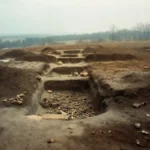
These examples demonstrate that children were frequently included in multi-person graves, often alongside extended kin. The careful placement of remains, including instances where bones appear to have been moved from other locations, points to intentional rituals honoring family connections that extended well beyond parents and offspring.
### How Scientists Unlocked These Ancient Secrets
To determine these relationships, researchers used advanced DNA techniques. They analyzed genetic material from well-preserved teeth and bones, successfully identifying the sex of individuals by examining sex chromosomes—two X chromosomes for females and one X plus one Y for males.
Relatedness was measured by calculating how much DNA individuals shared. First-degree relatives typically share about 50% of their DNA, second-degree around 25%, and third-degree approximately 12.5%. This method allowed precise mapping of family links even across thousands of years.
The study also revealed broader population insights. The Pitted Ware people on Gotland carried roughly 80% ancestry from earlier Mesolithic hunter-gatherers and about 20% from incoming farming groups. Evidence of close relatives appearing across different sites on the island suggests regular contact and intermarriage between nearby communities, painting a picture of a socially connected coastal network.
### Life and Culture of the Pitted Ware People
The Pitted Ware Culture emerged during a fascinating transitional period in European prehistory. While agriculture had already spread across much of the continent by around 4000 BCE, these Baltic coast dwellers maintained a traditional hunter-gatherer lifestyle focused on marine resources. They expertly hunted seals, caught fish, and gathered what the shoreline offered, creating a resilient way of life adapted to their environment.
Ajvide itself was more than just a burial ground—it was likely a significant settlement where these communities lived, worked, and honored their dead. The presence of multi-burial graves with clear kinship ties indicates that family identity remained crucial even in death. Unlike some other ancient societies where status or community role might dominate burial decisions, kinship appears to have been the primary factor here.
This emphasis on extended family bonds may have strengthened social cohesion in a world where survival depended on cooperation, knowledge sharing, and mutual support. In small, mobile or semi-sedentary groups, maintaining strong ties across generations would have been essential for passing down hunting skills, fishing techniques, and environmental knowledge.
### Why These Findings Matter for Understanding Prehistory
Well-preserved multi-burial sites from hunter-gatherer societies are exceptionally rare. Most archaeological evidence from this era comes from single graves or scattered artifacts, making it difficult to reconstruct social structures. The Ajvide cemetery changes that by providing direct genetic evidence of how these ancient people organized their families and communities.
The research underscores the power of ancient DNA studies in archaeology. By combining genetic data with careful excavation records and contextual analysis, scientists can move beyond assumptions to reveal real human stories—mothers, fathers, siblings, and cousins who lived, loved, and mourned together millennia ago.
These discoveries also contribute to larger conversations about human migration and cultural interaction in prehistoric Europe. The mix of Mesolithic hunter-gatherer ancestry with some farmer-related DNA shows that even groups who largely maintained traditional lifestyles experienced gene flow from neighboring agricultural populations.
### Future Research Directions
Scientists plan to analyze DNA from more than 70 additional individuals from the Ajvide cemetery. This expanded dataset promises deeper insights into social organization, patterns of mobility, individual life histories, and how these coastal communities navigated the broader changes happening across Europe during the late Stone Age.
Ongoing work may also explore health, diet, and physical activity through combined genetic, isotopic, and skeletal analyses. Such multidisciplinary approaches continue to transform our understanding of humanity’s deep past.
### Conclusion: A Window into Our Ancestors’ Lives
The 5,500-year-old graves at Ajvide offer more than just bones and DNA sequences—they reveal the enduring importance of family across human history. Even in a prehistoric hunter-gatherer society far removed from our modern world, extended kinship shaped how people lived and how they chose to honor their loved ones in death.
These findings remind us that the desire to stay connected to family transcends time and cultural boundaries. As researchers continue to unlock secrets from sites like Ajvide, we gain not only knowledge about the past but also fresh perspectives on what connects all of us as humans.
**FAQ**
**Q: What is the Pitted Ware Culture?**
A: The Pitted Ware Culture refers to a group of hunter-gatherer communities that lived along the Baltic coast, particularly in Scandinavia, around 5,500 to 4,000 years ago. They are known for distinctive pottery with pitted decorations and for maintaining a marine-based lifestyle focused on sealing and fishing even as farming spread across Europe.
**Q: How does ancient DNA help archaeologists understand family relationships?**
A: Ancient DNA allows scientists to calculate the percentage of shared genetic material between individuals. By comparing this to known inheritance patterns, researchers can identify first-degree (parent-child, full siblings), second-degree (grandparent-grandchild, half-siblings), and third-degree (cousins, great-aunts/uncles) relationships with remarkable accuracy.
**Q: Why were multiple people buried together at Ajvide?**
A: Genetic evidence shows these burials consistently involved biological relatives, suggesting that family ties strongly influenced burial practices. Extended kin groups appear to have been intentionally placed together to reflect their close bonds in life.
**Q: Did the Pitted Ware people interact with early farmers?**
A: Yes. Genetic analysis reveals they had about 20% ancestry related to farming populations, indicating contact and intermarriage with neighboring agricultural groups while largely preserving their hunter-gatherer traditions.
**Q: What makes the Ajvide site special compared to other Stone Age cemeteries?**
A: Its large number of multi-person graves with excellent bone preservation has allowed detailed DNA studies that reveal specific family relationships—something rarely possible at other hunter-gatherer sites. This provides an unusually clear view of social structure and kinship.
**Q: How old are the burials at Ajvide, and what do they tell us about life in the Stone Age?**
A: The graves date to approximately 5,500 years ago. They illustrate a society where extended family networks were central, children were integrated into community rituals, and kinship guided important cultural practices even thousands of years before written history.
This remarkable discovery continues to deepen our appreciation for the complexity and humanity of our prehistoric ancestors.