
Prehistoric High-Altitude Life: 6,000 Years of Occupation in the Pyrenees
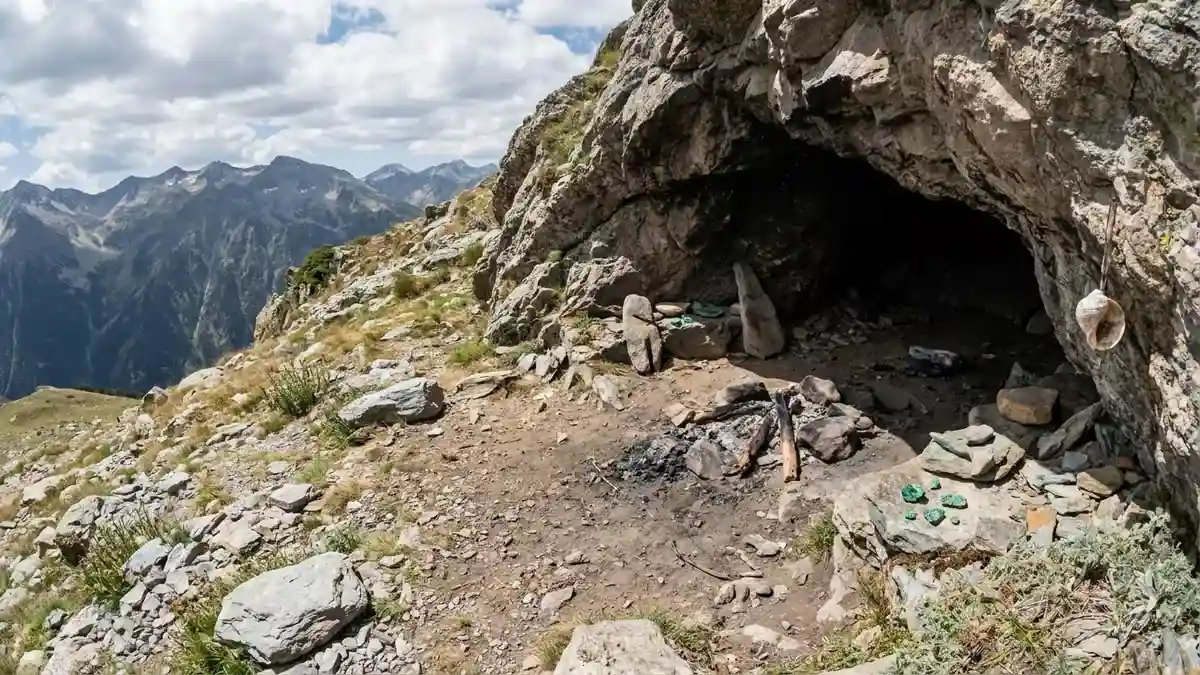
For decades, the conventional wisdom in archaeology was that prehistoric humans viewed the high-altitude regions of the Pyrenees as hostile, marginal zones, visited only by chance or in extreme circumstances. A groundbreaking discovery at “Cova 338” in Spain’s Núria Valley is now completely overturning that narrative. Situated at a staggering 2,235 meters (7,332 feet) above sea level, this cave has been revealed as the highest-altitude prehistoric site in the range with consistent, long-term human occupation.
Prehistoric High-Altitude Life 6,000 Years of Occupation in the Pyrenees
A Legacy of Seasonal Resilience
Excavations conducted between 2021 and 2023 by a collaborative international team have unearthed a remarkable 6,000-year timeline of human presence. Occupancy at Cova 338 stretched from the early 5th millennium BCE through the late 1st millennium BCE, spanning the Late Neolithic and Bronze Age.
Rather than being a place of fleeting shelter, Cova 338 was a hub of planned, seasonal activity. The site features dense, stratified layers of history, with clear evidence that groups returned to the cave generation after generation to escape the lowlands or exploit the mountain’s bounty.
Organized Industry in the Clouds
One of the most significant aspects of the Cova 338 findings is the clear evidence of industrial-scale activity. Inside the cave, archaeologists recovered significant amounts of malachite, a copper-rich green mineral.
The presence of crushed mineral fragments near ancient hearths suggests that these prehistoric communities were not just passing through; they were actively processing raw materials at altitude. This places Cova 338 among the oldest known examples of high-altitude mineral exploitation in Europe, indicating that prehistoric groups possessed a sophisticated knowledge of geology and resource management.
Daily Life, Symbolism, and Ritual
The cave was clearly organized into functional “work zones,” a level of spatial planning that defies the idea of nomadic wanderers seeking simple shelter. Excavations have revealed:
 Ancient secrets of Maya blue revealed: a second method for creating the iconic pigment discovered
Evidence of Daily Tasks: Numerous hearths, stone tools, and faunal remains point to regular food preparation and tool maintenance.
Symbolic Objects: The recovery of a decorative pendant made from a Glycymeris marine shell and another crafted from a brown bear tooth suggests that the inhabitants brought items of deep personal or spiritual significance into this high-mountain environment.
Potential Funerary Use: The discovery of human remains, including those of a child, indicates that the cave’s function extended beyond the domestic and economic, potentially serving as a site for burial or ritualized mourning.
A Logistical Camp for Ancient Networks
The physical demands of researching Cova 338—which requires a strenuous hike and the manual transport of all equipment and excavated sediment—underscore how challenging this environment remains even today. Yet, for prehistoric people, it was a vital part of a broader seasonal mobility system.
By moving into the Pyrenees at specific times of the year, these groups tapped into high-quality resources, including firewood, wild game, and minerals, which were essential for their communities in the lowlands. The deep, well-preserved sediment layers at Cova 338 provide a unique “time capsule” that is far richer than the small, exposed rock shelters typically found at such high elevations.
As researchers continue their work, they hope to unlock the origins of the malachite and better understand the flora and fauna that sustained these resilient people. The story of Cova 338 serves as a powerful reminder that prehistoric communities were far more connected to their high-mountain landscapes than we ever dared to believe.
Frequently Asked Questions
Why is Cova 338 considered so important?
It is the highest-altitude prehistoric site in the Pyrenees with evidence of repeated, long-term human occupation. It challenges the long-held belief that prehistoric humans only used high-altitude areas for occasional or emergency shelter.
What kind of “industry” were they doing at 2,235 meters?
The evidence suggests they were actively mining or collecting and processing copper-rich malachite. This indicates that the mountains were a destination for economic activity and raw material extraction, not just hunting or gathering.
Were the people living there full-time?
Archaeologists believe the cave served as a “logistical camp” in a seasonal system. Groups likely moved to the mountains for specific parts of the year to exploit resources before returning to the valleys.
What do the shell and bear tooth pendants tell us?
These items suggest that life in the high mountains was not just about survival. These objects represent cultural identity, personal status, or perhaps religious belief, showing that people maintained their complex social and symbolic lives even in harsh environments.
Why is the discovery of human remains significant?
The presence of a child’s remains suggests the cave may have had a funerary or ritualistic function. This adds a layer of depth to our understanding of the site, indicating that it was a place of emotional and communal importance, not just a workshop.