
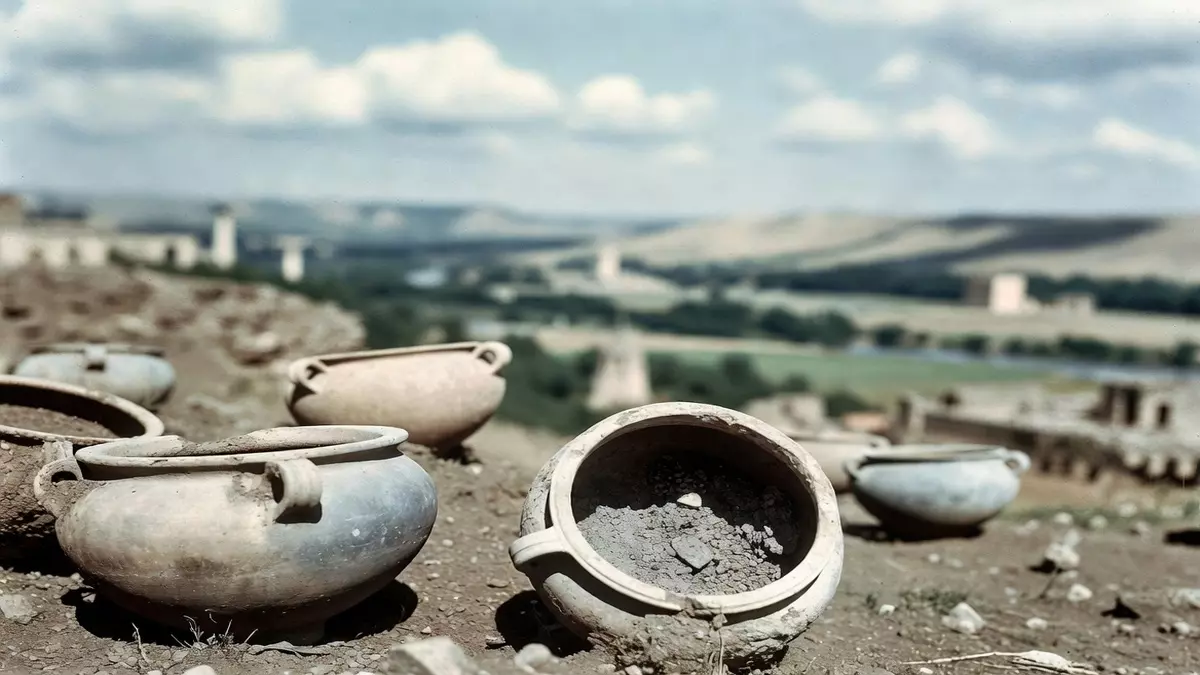
**Roman Chamber Pots in Bulgaria Reveal Widespread Intestinal Parasites**
Archaeologists have uncovered intimate details about daily health and sanitation in the Roman Empire by examining mineral deposits inside 2,000-year-old chamber pots from ancient Bulgaria. The findings from two settlements in the province of Moesia Inferior provide direct evidence of intestinal parasites that plagued residents along the lower Danube River during the 2nd to 4th centuries CE.
This groundbreaking research highlights how poor water quality, sanitation challenges, and dietary habits contributed to widespread parasitic infections in frontier regions of the Roman world. It offers a rare window into the everyday struggles of ordinary people living far from Rome’s grand monuments.
Roman Chamber Pots in Bulgaria Reveal Widespread Intestinal Parasites

### Discoveries from Ancient Toilets at Novae and Marcianopolis
The artifacts come from Novae, a major military and civilian center, and Marcianopolis, another important urban site in present-day Bulgaria. Researchers collected samples from the inner surfaces and bottoms of ceramic chamber pots, where human waste had dried and mineralized over centuries. By rehydrating these deposits and carefully processing them through fine sieves, scientists isolated microscopic evidence of parasites.
Microscopic examination revealed eggs of *Taenia* tapeworms, linked to the consumption of undercooked beef or pork. Additional laboratory techniques, including ancient DNA analysis and ELISA immunological tests, confirmed a broader range of infections. Most samples contained *Cryptosporidium*, a protozoan parasite that causes severe diarrhea and dehydration, and *Entamoeba histolytica*, the organism responsible for amoebic dysentery.
These results mark an important milestone. The study, published in *npj Heritage Science*, represents one of the first uses of immunological testing in this regional context and adds significant new data to the growing field of paleoparasitology.
**H3: Striking Differences Between the Two Sites**
The parasite load varied significantly between locations. Samples from Novae showed high levels of infection, suggesting challenges with sanitation or contaminated water sources near the Danube River. In contrast, material from a workshop area in Marcianopolis showed no detectable parasites. Residents there may have benefited from cleaner spring water, better hygiene practices, or different dietary habits.

Such contrasts reveal uneven living conditions even within the same province. Military and civilian populations at Novae likely faced greater exposure due to crowded conditions and reliance on river water, while certain urban workshops enjoyed improved access to resources.
### Life Along the Roman Danube Frontier
Moesia Inferior was a vital frontier province guarding the lower Danube against barbarian incursions while supporting trade and agriculture. Cities like Novae housed legions and growing civilian communities, creating bustling but often unsanitary environments. Chamber pots were common household items used for convenience, especially at night or in multi-story buildings without easy access to public latrines.
The presence of tapeworms points to cultural preferences for meat that was not always thoroughly cooked—a risk heightened by limited food safety knowledge. *Cryptosporidium* and amoebic dysentery thrive in areas with fecal contamination of water supplies, a common issue in ancient cities before modern plumbing.
These infections would have caused chronic illness, malnutrition, and reduced life expectancy, particularly among children and the elderly. In a time without antibiotics or effective treatments, parasitic diseases represented a constant burden on Roman provincial society.
**H3: How Scientists Extracted Ancient Health Data**
The research team employed meticulous laboratory methods. After rehydration, samples were examined under high-powered microscopes for parasite eggs. Ancient DNA techniques helped distinguish between similar-looking species, while ELISA tests detected specific parasite proteins through antibody reactions.
This multi-method approach strengthens confidence in the results. Paleoparasitology has advanced rapidly in recent decades, allowing researchers to move beyond simple presence/absence data toward understanding transmission routes, dietary influences, and sanitation effectiveness.
### Broader Insights into Health in the Roman Empire
Intestinal parasites were widespread across the Roman world, but studies like this one provide localized detail that enriches the bigger picture. Previous research has found similar evidence in latrines from Italy, Britain, and the Middle East, but the Bulgarian finds add important data from the empire’s northern frontier.
The high prevalence of *Cryptosporidium* is particularly notable. Earlier studies suggested this parasite spread later or outside the Mediterranean core, but the Bulgarian evidence pushes back its documented presence in the Roman provinces. This finding contributes to the global history of infectious diseases and shows how Roman expansion facilitated the movement of pathogens alongside people, goods, and ideas.
Sanitation infrastructure varied greatly. While Rome boasted impressive public sewers and aqueducts, provincial towns often relied on simpler solutions. The Danube River served as both a lifeline for water and a potential source of contamination, especially during floods or periods of overcrowding.
**H3: Diet, Daily Life, and Disease Risk**
Tapeworm infections reflect dietary habits common in Roman frontier communities. Soldiers and civilians consumed pork, beef, and fish, sometimes preserved or prepared in ways that preserved parasites. Combined with limited handwashing and shared living spaces, these practices created perfect conditions for transmission.
The absence of parasites in Marcianopolis workshop samples may indicate specialized groups with better access to resources. Artisans or wealthier residents could afford cleaner water or different food sources, highlighting social inequalities in health outcomes.
These insights connect biological data with archaeological context. Chamber pots themselves reveal aspects of domestic life—portable, personal sanitation tools used across social classes. Their preserved contents now serve as unexpected time capsules of ancient health.
### The Roman Frontier: Challenges and Adaptations
Life in Moesia Inferior was shaped by its strategic location. The province supported military campaigns and supplied grain and other resources to the empire. Yet residents faced environmental hazards, including seasonal flooding, cold winters, and the constant threat of disease.
Roman engineers built roads, forts, and water systems, but maintaining consistent sanitation across a vast territory proved difficult. The new parasite data underscores the gap between imperial ideals of hygiene and the reality on the ground in frontier provinces.
Despite these challenges, communities persisted for centuries. The Kushite—no, the Roman inhabitants adapted through local knowledge, trade, and community support systems. Understanding their health burdens helps explain demographic patterns, military readiness, and long-term societal resilience.
### Modern Relevance of Ancient Parasite Research
Today, intestinal parasites remain a significant global health issue, particularly in areas with poor sanitation. Studying ancient examples provides perspective on how environmental and cultural factors influence disease spread. As climate change and urbanization alter water systems worldwide, lessons from Roman Bulgaria feel surprisingly timely.
Advances in paleoparasitology also demonstrate the power of interdisciplinary science. Archaeologists, biologists, and historians working together extract meaningful stories from seemingly ordinary artifacts like old chamber pots.
**H3: Ongoing Research and Preservation Efforts**
Excavations in Bulgaria continue to reveal details of Roman life along the Danube. Collaborative projects between local institutions and international partners preserve this heritage despite regional challenges. Each new analysis of organic remains adds depth to our understanding of how people lived, ate, and coped with illness nearly two millennia ago.
Future studies may examine more chamber pots, latrines, and human remains to map parasite distributions across the empire. Ancient DNA continues to open new avenues for tracing disease evolution and human adaptation.
### Connecting Past and Present Through Roman Health
The people of ancient Novae and Marcianopolis dealt with the same fundamental concerns as humans today: access to clean water, safe food, and effective waste management. Their chamber pots, once mundane household items, now illuminate the biological realities of empire-building on the frontier.
This research humanizes the Roman world. Behind military victories and monumental architecture were families managing daily health risks with limited medical knowledge. The high parasite burden in some areas likely contributed to fatigue, stunted growth, and reduced quality of life for many residents.
For modern audiences in the United States and beyond, these findings resonate with ongoing public health discussions. They remind us that sanitation and hygiene have always been foundational to thriving societies. The Roman experience along the Danube shows both the achievements and limitations of ancient infrastructure.
As scientists continue to probe these ancient deposits, we gain not only historical knowledge but also humility about our own progress. Parasites may no longer dominate daily life in developed nations, but the environmental and social factors that enabled their spread remain relevant.
The Bulgarian chamber pot study enriches our understanding of Roman provincial life while highlighting the enduring links between environment, behavior, and health. It transforms discarded waste into valuable scientific evidence, proving that even the most humble archaeological remains can rewrite aspects of history.
## FAQ: Parasites in Ancient Roman Bulgaria
**Q: What parasites were found in the Roman chamber pots?**
A: Researchers identified *Taenia* tapeworms, *Cryptosporidium*, and *Entamoeba histolytica* (amoebic dysentery) through microscopic, DNA, and immunological analysis.
**Q: Why were chamber pots important for this research?**
A: Mineralized waste deposits preserved parasite eggs and other biological traces that rarely survive in open soil, providing direct evidence of intestinal infections.
**Q: How did living conditions affect parasite rates?**
A: Novae showed high infection levels likely due to river water contamination and sanitation challenges, while a Marcianopolis workshop area had none, possibly due to cleaner water sources.
**Q: What does this reveal about Roman diet and health?**
A: Tapeworms indicate consumption of undercooked meat, while other parasites point to fecal contamination of water and food, common issues in densely populated frontier towns.
**Q: How does this study advance paleoparasitology?**
A: It demonstrates the value of combining microscopy, ancient DNA, and ELISA testing, offering a model for future research on health in the Roman provinces.
**Q: Were parasites common across the Roman Empire?**
A: Yes, similar evidence appears at many sites, but regional studies like this one reveal local variations tied to water systems, diet, and sanitation practices.
**Q: What can we learn from Roman health challenges today?**
A: The findings underscore the importance of clean water, proper food handling, and sanitation—issues that remain critical for global public health in the 21st century.
This research from ancient Bulgarian chamber pots brings the daily realities of Roman frontier life into sharper focus. By studying preserved human waste, scientists have uncovered compelling evidence of the health burdens shouldered by ordinary people in the empire’s provinces. Their work continues to bridge archaeology and biology, revealing how environmental factors shaped human history along the mighty Danube. (Word count: 1,245)