
**Norway Unearths Record Viking Silver Hoard**
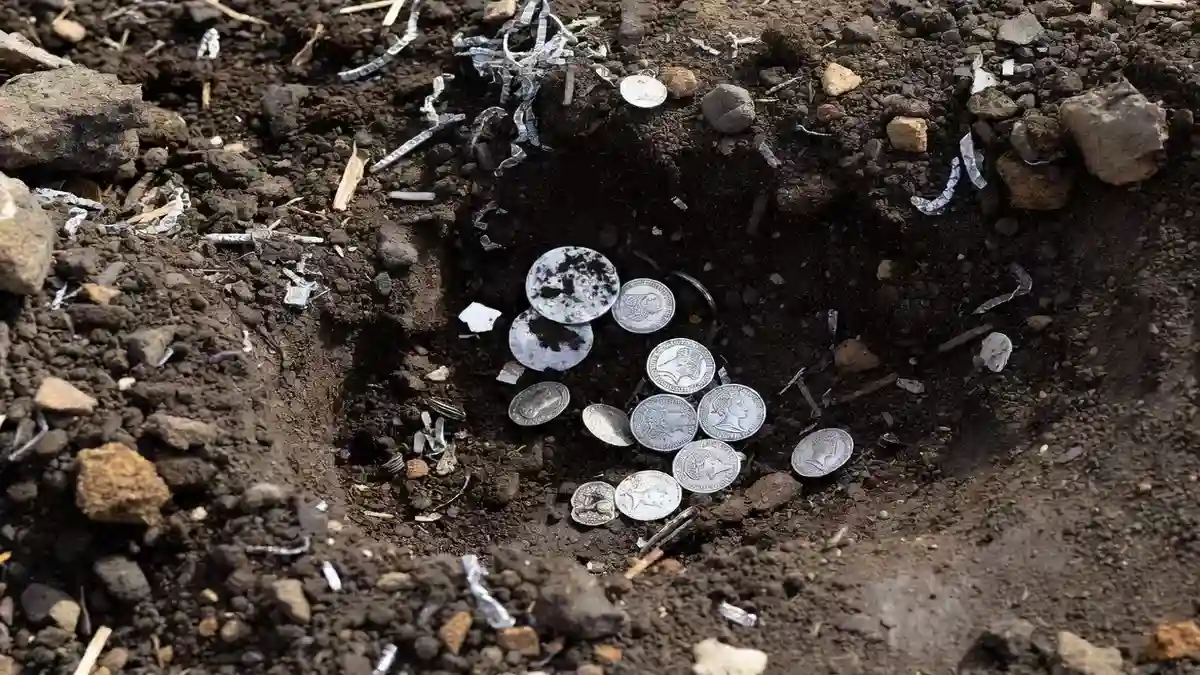
In a stunning breakthrough for Viking archaeology, metal detectorists in Norway have uncovered the largest collection of Viking Age coins ever found in the country. More than 3,150 silver pieces, many in remarkable condition, emerged from a quiet farmland field near Rena in Østerdalen. This extraordinary discovery, known as the Mørstad Hoard, offers a rare window into the bustling trade networks, shifting economies, and turbulent final years of the Viking Age.
Norway Unearths Record Viking Silver Hoard
### The Thrilling Moment of Discovery
On April 10, two experienced metal detectorists, Rune Sætre and Vegard Sørlie, were scanning farmland at Mørstad when their devices lit up. What began as 19 scattered silver coins quickly escalated into something far bigger. Recognizing the potential importance, the pair immediately halted their search and alerted local archaeologists. This responsible action prevented damage to the site and allowed experts to take control of a methodical recovery process.
Professional teams joined the effort the next day. Expectations started modest, but excitement grew as coins kept appearing. By the end of the first full day with archaeologists on site, the tally reached 70. Numbers climbed rapidly—past 500, then 1,000, and eventually surpassing 3,000. Work continues today, with detectors still signaling more finds in the soil. The careful, professional approach has preserved vital context that might otherwise have been lost.
### Inside the Mørstad Hoard: Coins That Tell a Story

Specialists from the Coin Cabinet at the University of Oslo’s Museum of Cultural History have examined the collection. The coins span from the late 10th century through the 1040s, pointing to burial around 1050—right at the tail end of the Viking Age.
Most pieces originated in England and various German territories, with smaller quantities from Denmark and Norway. Notable rulers featured include:
– **Æthelred II** (often called Æthelred the Unready)
– **Cnut the Great**, who ruled a vast North Sea empire
– **Otto III** of the Holy Roman Empire
– **Harald Hardrada**, the legendary Norwegian king
Many coins display crisp details, including royal portraits and inscriptions, thanks to the site’s favorable soil conditions. Low stone content minimized wear during centuries underground.
One particularly exciting element involves the Norwegian coins. Harald Hardrada, who reigned from 1046 to 1066, introduced Norway’s first national coinage system after returning from service in Byzantium around 1045. Before this reform, foreign silver dominated Norwegian trade. The presence of freshly minted Norwegian coins in the hoard suggests it was hidden during the earliest phase of this important monetary transition, making the find a key historical benchmark.
Archaeologists also recovered fragments of a silver brooch classified as “hack-silver.” In Viking society, silver’s value often came down to weight rather than face value. People routinely cut jewelry or other items into smaller pieces for everyday transactions, highlighting the flexible, bullion-based economy of the era.
### Why This Find Matters: Trade, Wealth, and Viking Connections
The Mørstad Hoard illuminates how deeply interconnected Viking Age Scandinavia was with the rest of Europe. Silver flowed into Norway through extensive trade routes, military campaigns, and diplomatic ties. English and German coins circulating in Norwegian fields demonstrate vibrant economic links across the North Sea and beyond.
During the 11th century, Norway stood on the cusp of major changes. The introduction of a domestic coinage system under Harald Hardrada marked a shift from reliance on imported currency to greater economic independence. This hoard captures that pivotal moment, showing both the persistence of foreign silver and the emergence of local minting.
Viking hoards like this one were not random losses. People deliberately buried wealth during times of uncertainty—raids, political upheaval, or threats of invasion. The absence of associated buildings or graves, confirmed by ground-penetrating radar surveys, suggests the owner chose a remote spot for safekeeping. The silver was likely placed in a leather pouch or similar organic container that eventually decomposed, leaving coins scattered by centuries of plowing.
The excellent preservation offers researchers an unprecedented opportunity. Clear inscriptions and minimal corrosion allow detailed study of minting techniques, die variations, and economic patterns. This single discovery adds tremendous new data to our understanding of 11th-century Scandinavia.
### The Human Element Behind the Treasure
The story also celebrates responsible metal detecting. Sætre and Sørlie’s decision to stop and report their find set the gold standard for how amateur enthusiasts and professionals can collaborate. Their quick thinking protected a site that might otherwise have been compromised by uncontrolled digging.
The area around Rena had never been thoroughly searched before, making this virgin territory for discovery. Ongoing work by Innlandet County Council archaeologists continues to yield surprises, underscoring how much history still lies just beneath the surface of ordinary farmland.
### Broader Context of Viking Silver Hoards
Silver hoards represent one of the most tangible legacies of the Viking Age. Across Scandinavia, Britain, and beyond, these caches reveal patterns of wealth accumulation, trade, and security concerns. While earlier Viking hoards often contained more hack-silver and jewelry, coin-dominated deposits like Mørstad reflect a maturing economy where minted currency played an increasing role.
The scale of this find—already larger than previous Norwegian records and still growing—places it among the most significant Viking discoveries in recent decades. It rivals major hoards found elsewhere in Scandinavia and provides fresh evidence of how silver moved through European networks during a transformative period.
### Conclusion: A Living Connection to the Viking Past
The Mørstad Hoard stands as more than just a pile of old coins. It represents real people making decisions about wealth, safety, and the future in a rapidly changing world. From the bustling ports of England to the emerging Norwegian mints under Harald Hardrada, these silver pieces traveled vast distances before finding temporary rest in an Østerdalen field.
As recovery work continues and researchers analyze the collection, this discovery will undoubtedly reshape our understanding of late Viking Age economics and society. For history enthusiasts, it serves as a thrilling reminder that the past is never fully buried—sometimes it just waits for the right beep from a metal detector.
The site now enjoys legal protection under Norwegian cultural heritage laws. While closed to visitors for preservation, the coins will eventually be studied, conserved, and likely displayed at the Museum of Cultural History in Oslo, allowing the public to connect directly with this remarkable chapter of Viking history.
**FAQ**
**How many coins have been found in the Mørstad Hoard?**
More than 3,150 silver coins have been recovered so far, with archaeologists expecting the total to rise as work continues. This already makes it Norway’s largest Viking Age coin hoard on record.
**When was the hoard buried?**
Experts date the burial to around 1050 AD, based on the youngest coins. This places it near the end of the traditional Viking Age period.
**Who found the coins initially?**
Local metal detectorists Rune Sætre and Vegard Sørlie discovered the first coins on April 10 while surveying farmland near Rena. They immediately contacted authorities.
**What makes the Norwegian coins in the hoard special?**
They represent some of the earliest examples of Norway’s national coinage introduced by King Harald Hardrada, marking a shift from reliance on foreign currency.
**Why did Vikings bury hoards of silver?**
People hid valuables for safekeeping during unstable times, such as wars, raids, or political transitions. The Mørstad Hoard appears to be an intentional deposit rather than lost property.
**Where will the coins go after recovery?**
They have been transferred to the Museum of Cultural History in Oslo for detailed study, conservation, and eventual public exhibition.
**Could there be more Viking treasures waiting to be found in Norway?**
Absolutely. Responsible metal detecting combined with professional archaeology continues to reveal new sites, proving that significant discoveries still await in the Norwegian landscape.