
Rediscovering Ireland’s Lost Burial Grounds Through Folklore
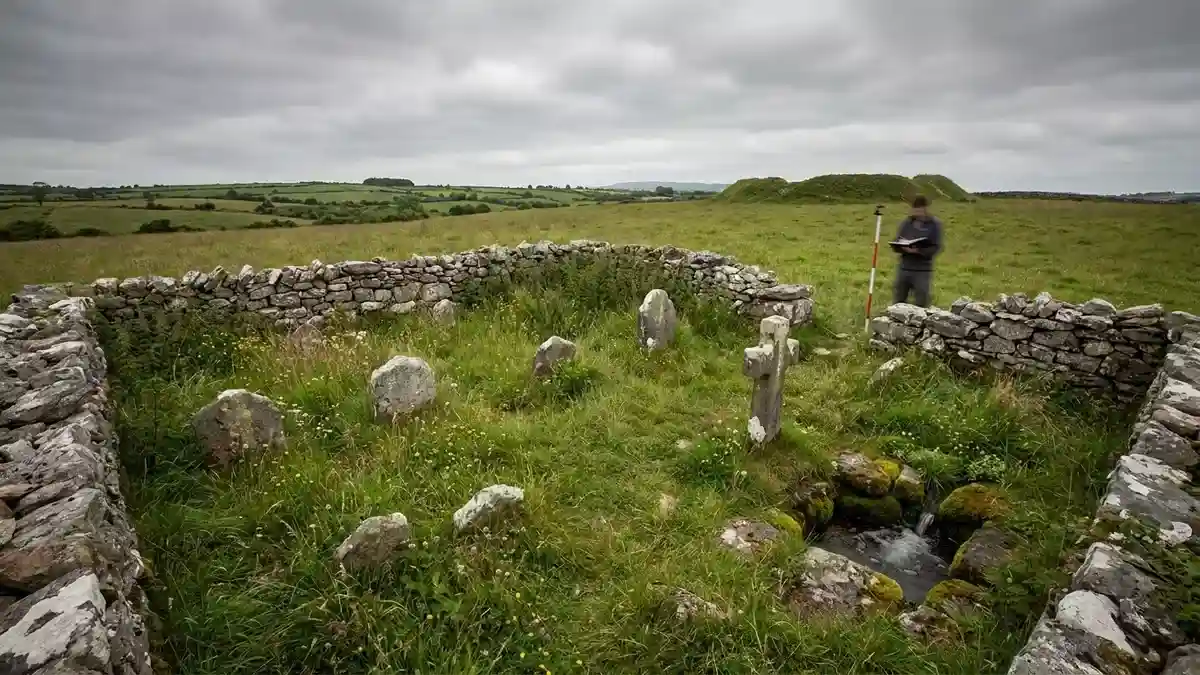
In a profound convergence of oral tradition and modern science, a groundbreaking study by archaeologist Marion Dowd of Atlantic Technological University has shed light on Ireland’s “cillíní”—the forgotten burial grounds reserved for unbaptized infants. Historically sidelined by formal record-keeping, these sacred, somber spaces are finally being integrated into the nation’s official archaeological record, providing a voice to the voiceless and honoring the memory of families who endured immense grief in silence.
Rediscovering Ireland’s Lost Burial Grounds Through Folklore
The Intersection of Folklore and Archaeology
The study, published in the Journal of Irish Archaeology, marks a pivotal shift in how heritage is documented. Recognizing that formal historical records often failed to capture the existence of these sites, Dr. Dowd turned to the National Folklore Collection Schools archive. By cross-referencing more than 350 firsthand accounts with modern archaeological data and historical mapping, the research team successfully identified 11 previously unknown cillíní and reclaimed 16 burial grounds that had been considered lost to history.
This research highlights the significant limitations of past recording methods, which often focused on larger, more visible monuments. By embracing oral history, the study successfully mapped sites across a wide array of counties, including Kerry, Mayo, Donegal, Galway, Clare, Cork, Louth, Sligo, Waterford, Longford, Meath, Monaghan, Tipperary, and Wexford. These sites—ranging from burial grounds tucked into ancient ringforts in County Meath to those situated near holy wells in Waterford—represent a diverse and largely undocumented chapter of Irish history.
The Archaeology of Emotion
Beyond mere location data, Dr. Dowd’s research introduces the concept of an “archaeology of emotion.” The folklore accounts reveal the heavy toll of social and religious pressure placed upon parents who, in previous centuries, were often forbidden from interring their infants in consecrated ground. These accounts convey the profound sorrow, shame, and societal constraints that defined these burial practices.
The folklore surrounding these sites is as varied as the landscapes in which they are found. Many accounts speak to a deep-seated cultural respect—or caution—surrounding these areas. Supernatural beliefs, such as reports of strange lights at night or legends of the “stray sod” and “hungry sod”—supernatural forces said to punish those who disturbed the resting places—have likely acted as unintentional guardians, protecting these sites from human interference for generations.
Regional Variations and Unique Customs
The study also uncovers fascinating regional variations in burial customs that have never before been explored in archaeological discourse:
Gender Separation: In specific instances, cillíní were organized by sex, with separate areas designated for boys and girls.
Folk Medicine: Some accounts detail practices where parents would visit these burial grounds as part of folk cures intended to heal other sick children, revealing a complex, intersectional relationship between death, memory, and healing.
Safeguarding Ireland’s Intangible Heritage
The rediscovery of these sites is not merely an academic exercise; it is an urgent matter of heritage preservation. Many cillíní are currently vulnerable to the pressures of modern land development, agricultural activities, and general neglect. By framing these sites within the context of Ireland’s commitment to the UNESCO Convention on Intangible Cultural Heritage, Dr. Dowd’s work provides a legal and ethical framework for protecting these locations.
The study serves as a powerful reminder that oral traditions are not just stories—they are repositories of vital geographical and cultural data. When formal records are incomplete, the memory passed down through generations becomes the primary tool for safeguarding history.
A Call to Community Action
Dr. Dowd is actively encouraging local communities to step forward and share their knowledge regarding unmarked or forgotten burial grounds in their neighborhoods. Community input is essential for ensuring that these vulnerable sites are documented, understood, and preserved before they are lost to time or development.
This research brings these overlooked burial grounds into the public record for the first time, ensuring that the infants buried in these fields are no longer “lost.” By reuniting physical heritage with the stories of the people who shaped it, this project restores dignity to a marginalized aspect of the past, ensuring that these small, sacred spaces are respected as integral parts of the Irish landscape.
Frequently Asked Questions (FAQ)
1. What are cillíní?
Cillíní are historic burial grounds in Ireland traditionally used for infants who were stillborn, miscarried, or died before they could be baptized. Due to religious and social customs of the past, these infants were excluded from consecrated churchyards.
2. How did researchers find these lost burial sites?
Dr. Marion Dowd and her team analyzed over 350 accounts from the National Folklore Collection Schools archive. They compared these oral reports with modern archaeological data and historical maps to identify and verify the locations of these sites.
3. Why were these sites missing from earlier surveys?
Many cillíní were small, lacked ornate markers, and were often located in unofficial spaces. Previous archaeological surveys frequently relied on surface evidence or formal records, which often failed to include these informal, culturally sensitive sites.
4. What kinds of supernatural beliefs are linked to these burials?
Folklore records describe phenomena such as “strange lights” appearing at the sites. Additionally, stories of the “stray sod” and “hungry sod”—supernatural forces believed to cause misfortune to anyone who disturbed the ground—have helped deter people from tampering with these graves.
5. Why is this study important for heritage protection?
This research highlights the value of oral history in archaeology. By officially recording these sites, researchers can better advocate for their protection against land development and agricultural damage, ensuring these historic memories are not lost to future generations.