
**Mysterious Ancient Tunnel Discovered Beneath Jerusalem**
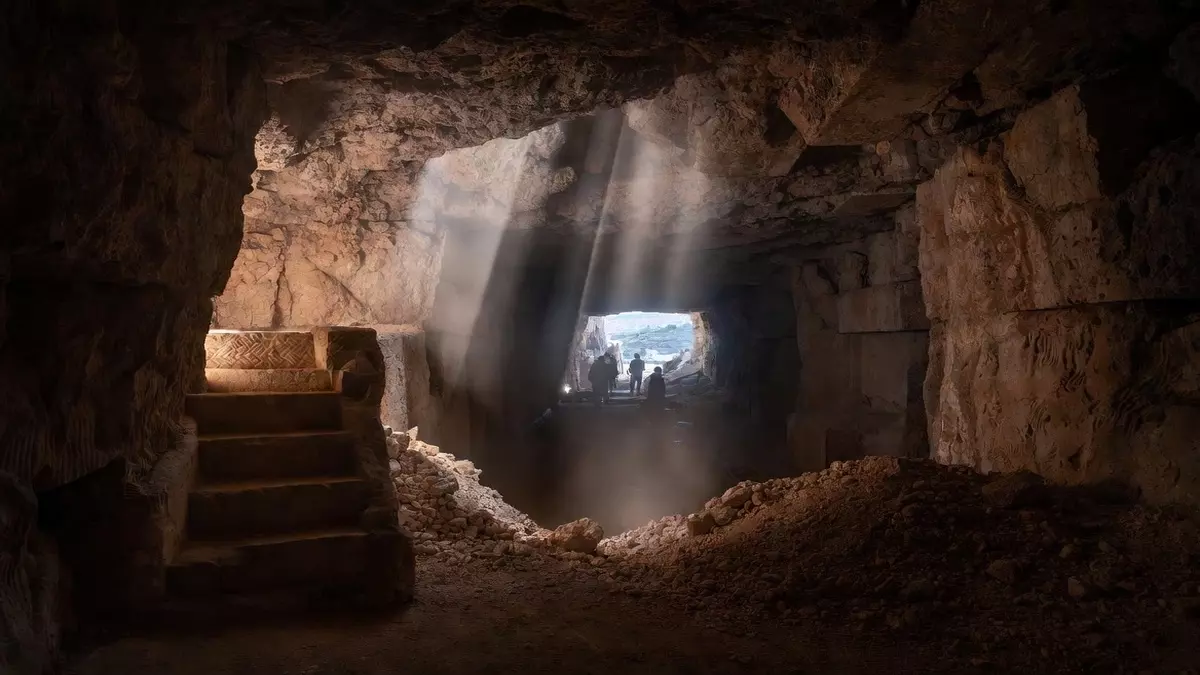
Archaeologists working north of Kibbutz Ramat Rachel in Jerusalem have uncovered a large, enigmatic underground tunnel carved deep into bedrock, sparking intense curiosity and debate about its origins and purpose. This unexpected find during routine development excavations adds another layer of mystery to the ancient city’s already rich archaeological landscape.
The impressive passage stretches approximately 50 meters through solid rock and may extend even farther. With its impressive scale and lack of clear clues, the tunnel challenges experts to piece together who built it, when, and why in this historically significant area just outside Jerusalem’s core.
Mysterious Ancient Tunnel Discovered Beneath Jerusalem

### Major Find During Urban Development
The Israel Antiquities Authority (IAA) made the discovery while conducting salvage excavations ahead of a major new residential project. The planned neighborhood will include 488 housing units, commercial areas, workplaces, an elementary school, and kindergartens spread across about 58 dunams. Rather than destroying the site, planners intend to incorporate the tunnel into a future archaeological park, allowing residents and visitors to experience this hidden piece of Jerusalem’s past.
What began as a seemingly ordinary rocky cavity quickly revealed itself as a sophisticated underground complex. A carefully carved staircase leads down into the main passage, which reaches heights of up to 5 meters (16 feet) and widths of about 3 meters (10 feet) in explored sections. Clear tool marks on the smooth walls confirm deliberate human engineering requiring significant skill, labor, and time.

### Engineering Marvel or Ancient Puzzle?
The tunnel’s precise construction stands out. Sections show consistent shaping and careful planning, yet parts remain blocked by collapsed debris, preventing full exploration for now. Layers of compact soil that accumulated over centuries filled much of the space, indicating the tunnel lay forgotten for a very long time.
Initial theories focused on practical functions common in the ancient world. Could it have been part of a water system channeling spring water into the city? This idea was quickly ruled out. Unlike typical ancient aqueducts or cisterns, the walls lack any waterproof plaster lining. Geological surveys found no evidence of underground water sources or moisture in the tunnel, and no signs of water flow appeared during excavation.

Agricultural or industrial uses also seem unlikely given the tunnel’s size and the absence of similar features in the immediate vicinity. The effort involved in carving such a large passage into bedrock would be excessive for routine farming or small-scale workshops.
### Leading Theory: An Ancient Quarry
The most plausible explanation currently points toward quarrying activities. Builders may have been seeking a specific layer of chalk suitable for producing lime—a key material in ancient construction and agriculture—or extracting building stone. A vertical shaft cut into the ceiling supports this idea, as such openings often provided essential ventilation and access in underground quarries.
Excavators recovered quarry debris scattered across the floor, further strengthening the connection to stone extraction. However, questions remain. If this was a quarry, why does it take the form of a long tunnel rather than a more typical open pit or chamber system? Some researchers suggest the project may have been abandoned before completion, leaving its full purpose forever unclear.
### Challenges in Dating the Jerusalem Tunnel
One of the biggest obstacles is the complete absence of dating materials. Archaeologists found no pottery shards, tools, coins, or organic remains inside the tunnel that could help pinpoint its age. This lack of artifacts makes it difficult to connect the structure to specific historical periods despite its proximity to well-documented sites.
The surrounding area is archaeologically rich. The tunnel lies only a few hundred meters from an Iron Age public building in the Arnona neighborhood and the important Tel Ramat Rachel site. Tel Ramat Rachel contains remains spanning from the Iron Age through the Islamic period, including royal palaces, gardens, and later Byzantine and early Islamic structures. This context suggests the tunnel could date anywhere from the biblical era to later historical times.
### Jerusalem’s Long Tradition of Underground Construction
Ancient Jerusalem and its environs boast an impressive array of subterranean features. From the famous Hezekiah’s Tunnel—built in the 8th century BCE to secure the city’s water supply during Assyrian threats—to numerous quarries, cisterns, hiding places, and burial complexes, residents frequently turned to bedrock for practical solutions.
The region’s geology, with its mix of hard limestone and softer chalk layers, made tunneling and quarrying feasible. Builders used simple but effective hand tools to carve through the rock, creating spaces that served defense, storage, worship, and resource extraction needs. The newly discovered tunnel fits into this broader pattern of humans shaping the landscape beneath their feet.
Its location near Ramat Rachel, a site occupied across multiple eras, raises intriguing possibilities. During the Iron Age, the area may have supported administrative or royal activities. Later periods saw continued use for agriculture, settlement, and religious purposes. The tunnel could relate to any of these phases, perhaps serving quarry operations tied to major building projects in Jerusalem itself.
### Preservation Plans and Public Access
Recognizing the tunnel’s importance, authorities are committed to protecting and presenting it. Integrating the site into the new neighborhood’s archaeological park will allow controlled access while preserving the fragile underground environment. This approach balances modern urban growth with heritage conservation—a model increasingly common in Jerusalem and other historic cities.
Advanced documentation techniques, including detailed photography and 3D scanning, will create permanent records before further development. Continued clearing of blocked sections may eventually yield clues currently hidden deeper inside.
### Why This Discovery Captivates Experts and the Public
Mysterious tunnels always spark imagination, evoking stories of secret passages, lost treasures, or forgotten rituals. While this one appears more utilitarian than legendary, its puzzle-like quality engages both professional archaeologists and history enthusiasts. The absence of easy answers encourages fresh thinking about ancient engineering and daily life around Jerusalem.
The find also highlights the value of rescue archaeology. Development projects often reveal sites that would otherwise remain undiscovered, adding important pieces to the historical record. In a place as thoroughly studied as Jerusalem, even small surprises like this tunnel can reshape understandings of how people interacted with their environment.
### Broader Implications for Biblical and Classical Archaeology
Jerusalem’s underground features frequently connect to major events in biblical and Roman history. Quarries supplied stone for Herod’s grand Temple expansion, city walls, and public buildings. If the tunnel dates to the Iron Age or Second Temple period, it could illuminate resource management during times of political tension or prosperity.
The lack of water-related features distinguishes it from famous aqueducts and tunnels like those at Megiddo or Gezer. This uniqueness makes it a valuable case study for understanding specialized or experimental underground works in the Judean hills.
As excavation continues, collaboration between archaeologists, geologists, and historians will be key. Future analysis of tool marks, rock composition, or microscopic residues might provide indirect dating evidence even without traditional artifacts.
### The Enduring Allure of Jerusalem’s Hidden Past
Jerusalem continues to reveal secrets beneath its surface. From ancient water systems and burial caves to hiding complexes from the Roman era, the city’s bedrock holds countless stories. The Ramat Rachel tunnel joins this list as a reminder that much remains to be discovered even in well-explored areas.
Its eventual incorporation into a public park ensures that future generations can explore and wonder about this mysterious passage. It stands as a testament to ancient ingenuity and the ongoing work of uncovering the past amid modern life.
### Conclusion: An Enduring Archaeological Mystery
The discovery of this large ancient tunnel near Kibbutz Ramat Rachel enriches Jerusalem’s archaeological narrative while raising compelling new questions. Its impressive scale, careful construction, and uncertain purpose highlight both the sophistication of ancient builders and the challenges of interpreting sites without clear artifacts.
As researchers clear additional sections and apply new analytical methods, more details may emerge about its creators and function. For now, the tunnel serves as a fascinating reminder of how much history still lies hidden beneath the Holy City’s hills. It invites us to appreciate the layers of human activity that shaped this enduring landscape and to support efforts preserving these connections to our shared past.
This find underscores the importance of careful development in historically sensitive areas. By protecting the tunnel within a new neighborhood park, Jerusalem honors its heritage while building for the future—a balance that benefits everyone.
### FAQ: Mysterious Tunnel Discovery in Jerusalem
**How long is the newly discovered tunnel near Ramat Rachel?**
The explored section stretches about 50 meters (164 feet), though collapsed areas suggest it may be longer. It features heights up to 5 meters and widths of 3 meters in places.
**Was the tunnel used for water transport?**
No. The absence of waterproof plaster, underground springs, or water evidence rules out a water system. Other practical explanations like agriculture also appear unlikely.
**What is the leading theory for the tunnel’s purpose?**
Archaeologists currently favor a quarrying function, possibly to access chalk for lime production or building stone. A ventilation shaft and quarry debris support this idea.
**Why is dating the tunnel so difficult?**
No pottery, tools, coins, or organic materials were found inside. This forces reliance on surrounding sites and geological context rather than direct artifacts.
**Where exactly was the tunnel found?**
North of Kibbutz Ramat Rachel in Jerusalem, near Iron Age remains at Tel Ramat Rachel and other important archaeological locations.
**Will the public be able to visit the tunnel?**
Yes. Planners will preserve it as part of an archaeological park within the new residential neighborhood, making this ancient mystery accessible to visitors.